

Amazon Associates PartnerTrusted
As an Amazon Associate, we earn from qualifying purchases made through links on this page. This helps support our site at no extra cost to you. Clicking on ingredient or equipment links will take you to amazon.com where you can purchase these items.
Trois sauces indiennes : sauce verte à la menthe, sauce tamarin sucrée, sauce piquante aux pickles
Apprenez à préparer trois sauces indiennes classiques – une sauce verte rafraîchissante à la menthe et à la coriandre, une sauce tamarin sucrée et acidulée, et une sauce piquante à base de pickles – idéales pour accompagner des snacks, des samossas ou des plats de riz.
Shop all ingredients on Amazon in one click • Printable PDF with shopping checklist
Cost Breakdown
Critical Success Points
- • Rinçage complet des herbes pour éliminer sable et impuretés.
- • Extraction maximale du tamarin après réhydratation.
- • Cuisson à feu moyen sans couvrir pour obtenir la bonne consistance.
Safety Warnings
- • Manipuler l’eau très chaude avec précaution pour éviter les brûlures.
- • Utiliser des gants ou une cuillère en bois lorsqu’on manipule la casserole chaude.
Frequently Asked Questions
Everything you need to know about this recipe
What is the cultural significance and history of the three Indian sauces (sauce verte à la menthe, sauce tamarin sucrée, sauce piquante aux pickles) in Indian cuisine?
These three sauces represent classic Indian condiments that balance fresh, sweet‑sour, and spicy flavors, a hallmark of Indian culinary tradition. The mint‑coriander sauce (sauce verte) traces back to North Indian street stalls, while tamarind sweet sauce (sauce tamarin sucrée) originates from South Indian chutney culture. The pickle‑based hot sauce (sauce piquante aux pickles) reflects the long‑standing Indian love for fermented, spicy accompaniments.
What are the traditional regional variations of the three Indian sauces (sauce verte à la menthe, sauce tamarin sucrée, sauce piquante aux pickles) across different parts of India?
In Punjab and Delhi, the mint‑coriander sauce often includes yogurt and green chilies, while in Gujarat it may be blended with coconut. South Indian tamarind sauces add jaggery and curry leaves for extra depth, whereas West Indian versions might incorporate roasted peanuts. Pickle‑based hot sauces vary widely: Kashmiri versions use mustard oil and fennel, whereas Bengali styles incorporate mustard seeds and a touch of sugar.
How are the three Indian sauces (sauce verte à la menthe, sauce tamarin sucrée, sauce piquante aux pickles) authentically served in Indian street food culture?
Street vendors typically serve the mint‑coriander sauce as a cooling dip for fried samosas, pakoras, and kebabs. The sweet tamarind sauce is drizzled over pani puri, bhel puri, and grilled meats to add a tangy lift. The spicy pickle sauce is offered alongside chaats and grilled skewers to give a sharp, piquant kick.
On what occasions or celebrations are the three Indian sauces (sauce verte à la menthe, sauce tamarin sucrée, sauce piquante aux pickles) traditionally used in Indian culture?
During Diwali and Holi festivals, families often prepare a spread of snacks accompanied by mint‑coriander sauce for balance. Weddings and large gatherings feature tamarind sweet sauce on chaat platters and as a glaze for kebabs. Pickle‑spiced sauces are a staple at monsoon gatherings, where hot, fermented flavors complement warming foods.
How do the three Indian sauces (sauce verte à la menthe, sauce tamarin sucrée, sauce piquante aux pickles) fit into the broader Indian cuisine tradition of accompaniments and condiments?
Indian cuisine relies on a trio of condiments—cool, sweet‑sour, and hot—to create balanced meals, and these three sauces embody that principle. They are used not only as dips but also as marinades, dressings, and finishing sauces, illustrating the versatile role of condiments in Indian cooking. Their flavors enhance both vegetarian and meat dishes, reinforcing the Indian emphasis on layered taste profiles.
What are the authentic traditional ingredients for the three Indian sauces (sauce verte à la menthe, sauce tamarin sucrée, sauce piquante aux pickles) versus acceptable substitutes in Indian cooking?
The authentic mint‑coriander sauce uses fresh mint, cilantro, green chilies, ginger, cumin seeds, and a splash of lemon; yogurt can replace water for a creamier texture. Traditional tamarind sweet sauce calls for raw tamarind pulp, jaggery, roasted cumin powder, and red chili powder; date syrup can substitute jaggery if unavailable. For the pickle hot sauce, authentic pickled mango or lime, mustard oil, and Indian red chili flakes are key, while a mild vinegar‑based pickle can work as a less intense alternative.
What makes the three Indian sauces (sauce verte à la menthe, sauce tamarin sucrée, sauce piquante aux pickles) special or unique in Indian cuisine?
Together they showcase the Indian mastery of balancing contrasting flavors—cool herbaceousness, bright sweet‑sour, and fiery fermented heat—in a single serving. Each sauce uses minimal cooking, preserving the freshness of herbs and the complexity of fermented pickles, which is uncommon in many other cuisines. Their versatility across snacks, rice dishes, and grilled items makes them a signature trio in Indian culinary tradition.
What are the most common mistakes to avoid when preparing the three Indian sauces (sauce verte à la menthe, sauce tamarin sucrée, sauce piquante aux pickles) from the YouTube channel Pankaj Sharma recipe?
Over‑blending the mint‑coriander sauce can turn it bitter; pulse the herbs just enough to keep some texture. Adding too much tamarind pulp to the sweet sauce makes it overly sour, so balance with jaggery gradually. For the pickle sauce, avoid overheating the pickles, which destroys their crunch and probiotic qualities.
Can I make the three Indian sauces (sauce verte à la menthe, sauce tamarin sucrée, sauce piquante aux pickles) ahead of time and how should I store each sauce for optimal freshness?
Yes, all three sauces can be prepared up to 2 days in advance. Store the mint‑coriander sauce in an airtight container in the refrigerator; a thin layer of oil on top prevents oxidation. Keep the tamarind sweet sauce sealed in a glass jar, and the pickle hot sauce should be refrigerated in a non‑metal container to maintain its tangy heat.
What does the YouTube channel Pankaj Sharma specialize in, and what is its cooking philosophy regarding Indian cuisine?
The YouTube channel Pankaj Sharma specializes in authentic Indian home cooking, focusing on regional flavors, traditional techniques, and approachable recipes for everyday cooks. Its philosophy emphasizes respecting original ingredients while offering practical adaptations for modern kitchens, aiming to preserve cultural heritage while making Indian dishes accessible worldwide.
You Might Also Like
Similar recipes converted from YouTube cooking videos

Poulet Tikka Masala
Le poulet tikka masala est un plat emblématique de la cuisine indienne, riche en épices et en saveurs. Cette version maison utilise du yaourt pour mariner le poulet, une sauce tomate onctueuse relevée de garam masala et de crème entière, et se sert idéalement avec du riz basmati.
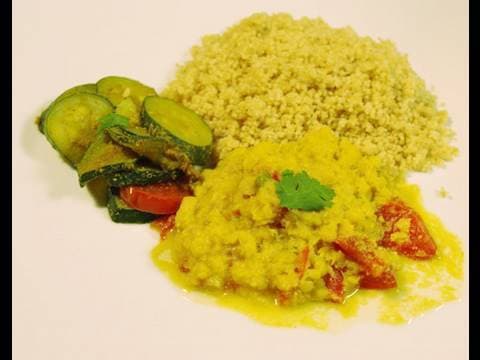
Lentilles à la vapeur avec cogettes et semoule
Un plat complet et sain cuisiné à la vapeur en trois étages : lentilles parfumées au curry et lait de coco, cogettes (haricots verts) épicées, et semoule de blé moyen. Idéal pour un repas végétalien riche en protéines et en fibres.

Kulfi à la cardamome
Un kulfi maison, glace indienne onctueuse parfumée à la cardamome verte. Sans sorbetière, il suffit de réduire le lait, d'ajouter sucre, crème et épices, puis de congeler dans des moules en plastique avec des bâtonnets en bois.

Haricots rouges à l'indienne
Une préparation simple et savoureuse d'haricots rouges à l'indienne, parfumée de curcuma, cumin, paprika et coriandre fraîche. Idéale avec du riz basmati ou des chapatis.

Sandwich Poulet Tikka Masala au Pain au Curcuma
Un sandwich maison aux saveurs indiennes, composé d'un pain moelleux parfumé au curcuma et au curry, garni d'un poulet tikka masala épicé et d'une sauce blanche crémeuse. Idéal pour le Ramadan ou un repas savoureux à toute heure.
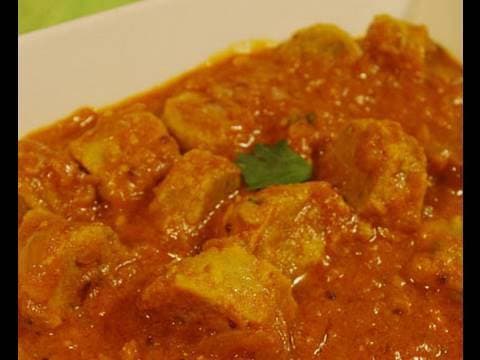
Kata Can – Rouleaux de farine de pois chiche et sauce curry épicée
Ce plat indien végétarien associe des rouleaux moelleux à base de farine de pois chiche à une sauce onctueuse parfumée au curry, curcuma, moutarde et tomates. Rapide à préparer, il convient aux repas du midi ou du dîner et est naturellement sans gluten.