

Amazon Associates PartnerTrusted
As an Amazon Associate, we earn from qualifying purchases made through links on this page. This helps support our site at no extra cost to you. Clicking on ingredient or equipment links will take you to amazon.com where you can purchase these items.
Paris‑Brest à la pistache
Paris‑Brest revisité avec une pâte à chou croustillante, un craquelin sablé au sucre cassonade et une crème mousseline à la pistache maison. Un dessert français emblématique, parfait pour les amateurs de pâtisserie qui veulent relever le classique d’un twist vert et gourmand.
Shop all ingredients on Amazon in one click • Printable PDF with shopping checklist
Cost Breakdown
Critical Success Points
- • Sabler le craquelin et le garder très froid avant la cuisson.
- • Obtenir la bonne consistance de la panade (ruban lisse).
- • Incorporer les œufs sans fouetter pour éviter l’air.
- • Baisser la température du four après les 5 premières minutes.
- • Incorporer le beurre froid dans la crème pâtissière à bonne température.
Safety Warnings
- • L'eau bouillante et le beurre fondu sont très chauds ; manipuler avec des gants ou un torchon.
- • Le four atteint 210°C ; utiliser des maniques pour sortir la plaque.
- • Le couteau pour couper les choux doit être bien aiguisé pour éviter de les écraser.
Frequently Asked Questions
Everything you need to know about this recipe
What is the cultural significance and history of Paris‑Brest à la pistache in French cuisine?
Paris‑Brest à la pistache is a modern twist on the classic Paris‑Brest, a pastry created in 1910 to celebrate the Paris–Brest–Paris bicycle race. The pistachio‑flavored mousseline adds a contemporary green hue while honoring the original choux‑based structure, reflecting France’s love for both tradition and innovation in pâtisserie.
What are the traditional regional variations of Paris‑Brest à la pistache in French pastry tradition?
While the original Paris‑Brest is filled with praline‑flavored crème pâtissière, regional French bakers have experimented with hazelnut, almond, or fruit fillings. The pistachio version popularized by Norbert Tarayre adds a Mediterranean influence, a variation more common in the South‑East of France where pistachios are cultivated.
What is the authentic traditional way Paris‑Brest à la pistache is served in France, especially in pâtisserie shops?
In French pâtisseries, Paris‑Brest à la pistache is typically presented as a whole ring on a decorative plate, dusted lightly with powdered sugar and sometimes garnished with a few whole pistachios. It is served at room temperature so the mousse remains silky and the choux stays crisp.
What occasions or celebrations is Paris‑Brest à la pistache traditionally associated with in French culture?
The classic Paris‑Brest is often enjoyed during café breaks or as a celebratory treat after sporting events. The pistachio variant is now popular at spring festivals, bridal brunches, and upscale tea parties, where its vibrant colour adds a festive touch.
How does Paris‑Brest à la pistache fit into the broader French cuisine tradition of choux pastries?
Paris‑Brest à la pistache belongs to the family of choux‑based desserts such as éclairs, profiteroles, and croquembouches. Like its relatives, it relies on steam‑cooked dough for a hollow, airy interior that can be filled with rich mousseline, showcasing the French mastery of texture contrast.
What are the authentic traditional ingredients for Paris‑Brest à la pistache versus acceptable substitutes?
The authentic recipe calls for all‑purpose flour, butter, water, eggs, and brown‑sugar craquelin for the crust, plus pistachio paste, butter, and powdered sugar for the mousse. Acceptable substitutes include using almond flour for a gluten‑free version or hazelnut paste instead of pistachio if nuts are unavailable.
What other French dishes pair well with Paris‑Brest à la pistache?
A light French fruit tart, such as a tarte aux fraises, offers a refreshing contrast, while a classic café au lait balances the richness of the pistachio mousse. For a full pâtisserie platter, serve it alongside madeleines or macarons in complementary flavors like vanilla or lemon.
What are common misconceptions about Paris‑Brest à la pistache in French pastry culture?
Many assume Paris‑Brest must always contain praline‑flavored crème, but the pistachio mousse is an accepted modern variation. Another misconception is that the pastry should be soft throughout; in reality, the outer choux should stay crisp while the interior remains airy.
What are the most common mistakes to avoid when making Paris‑Brest à la pistache at home?
Avoid under‑cooking the choux dough, which leads to soggy rings, and be careful not to over‑mix the pistachio mousse, which can cause it to become grainy. Also, ensure the craquelin is evenly brushed with butter; uneven caramelization will affect texture and flavor.
Why does this Paris‑Brest à la pistache recipe use a craquelin sablé with brown sugar instead of a plain glaze?
The brown‑sugar craquelin creates a crunchy, caramelized crust that contrasts with the soft choux and silky mousse, adding depth of flavor typical of French pâtisserie. A plain glaze would lack this textural contrast and the subtle nutty notes that brown sugar provides.
Can I make Paris‑Brest à la pistache ahead of time and how should I store it?
Yes, bake the choux rings up to two days in advance and store them in an airtight container at room temperature. Fill with pistachio mousse shortly before serving and keep the assembled pastry refrigerated for up to 24 hours to maintain freshness.
What does the YouTube channel Norbert Tarayre specialize in, and how does it approach French dessert recipes like Paris‑Brest à la pistache?
The YouTube channel Norbert Tarayre specializes in French haute cuisine and pastry tutorials, focusing on classic techniques with modern twists. In recipes like Paris‑Brest à la pistache, Norbert emphasizes precise choux preparation, balanced flavors, and visual presentation, reflecting his background as a Michelin‑starred chef.
You Might Also Like
Similar recipes converted from YouTube cooking videos

Suprême de capon à la sauce verte au poivre
Un suprême de capon rôti, doré à la poêle puis nappé d'une onctueuse sauce verte au poivre relevée de cognac et de vin blanc, accompagné de châtaignes légèrement grillées. Idéal pour un repas de fêtes élégant et savoureux.

Salade de patates douces à la feta, aux noix et aux pommes
Une salade gourmande et colorée à base de patates douces rôties, feta émiettée, noix de pécan croquantes, pommes fraîches et une vinaigrette moutardée. Idéale pour un déjeuner léger, un repas à emporter ou un accompagnement d’automne.
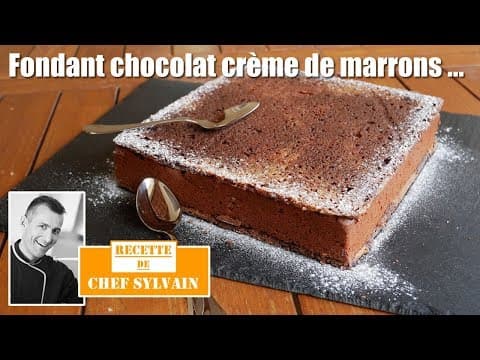
Fondant au chocolat et crème de marrons avec craquelin
Un fondant moelleux au chocolat noir, relevé d'une onctueuse crème de marrons et d'un craquelin croquant au beurre, sucre brun et cacao. Parfait pour les amateurs de pâtisserie française sophistiquée.

Polenta à la ratatouille
Une couche crémeuse de polenta maison surmontée d'une ratatouille méditerranéenne riche en légumes, gratinée au four avec du fromage fondant et du parmesan. Ce plat complet, végétarien et sans gluten, se prépare avec un Thermomix ou une casserole et une cocotte-minute, puis finit sa cuisson au four pour un dessus doré et croustillant.

Crêpes brûlées à la crème diplomate
Des crêpes superposées avec une crème diplomate légère, le tout caramélisé comme une crème brûlée. Un dessert élégant qui combine le moelleux des crêpes, la richesse d’une crème pâtissière et le croquant du caramel brûlé.

Pancakes au chocolat
Des pancakes moelleux au chocolat, légèrement croustillants à l'extérieur grâce au beurre noisette, parfaits pour le petit‑déjeuner ou le goûter, à déguster avec de la marmelade d'orange ou de la confiture de framboise.