

Amazon Associates PartnerTrusted
As an Amazon Associate, we earn from qualifying purchases made through links on this page. This helps support our site at no extra cost to you. Clicking on ingredient or equipment links will take you to amazon.com where you can purchase these items.
Pâtes de riz sautées au bœuf
Un classique des restaurants chinois revisité à la maison : des nouilles de riz larges sautées avec du bœuf tendre, des oignons, des germes de soja et une sauce soja-œuf savoureuse, relevées d'un filet d'huile de sésame.
Shop all ingredients on Amazon in one click • Printable PDF with shopping checklist
Cost Breakdown
Critical Success Points
- • Marinade du bœuf avec bicarbonate pour attendrir la viande.
- • Réhydratation correcte des nouilles de riz afin d'éviter qu'elles ne se déchirent.
- • Cuisson à feu très vif pour obtenir un sauté rapide et savoureux.
Safety Warnings
- • Attention aux éclaboussures d'huile très chaude.
- • Manipuler la viande crue avec des ustensiles séparés pour éviter la contamination croisée.
- • Ne pas inhaler le bicarbonate de soude en poudre.
Frequently Asked Questions
Everything you need to know about this recipe
What is the cultural significance and history of Pâtes de riz sautées au bœuf in Chinese cuisine?
Pâtes de riz sautées au bœuf is a popular stir‑fried noodle dish that originated in southern China, where rice noodles are a staple. It reflects the Chinese tradition of balancing protein, vegetables, and starch in a single wok‑cooked meal, and it became a street‑food favorite before being adopted by restaurant menus across the country.
What are the traditional regional variations of Pâtes de riz sautées au bœuf within Chinese cuisine?
In Cantonese regions the dish often uses thin rice vermicelli and a lighter soy‑based sauce, while in Sichuan versions it may include spicy doubanjiang and chili oil. Some northern Chinese adaptations replace rice noodles with wheat‑based noodles and add pickled vegetables for a heartier flavor profile.
How is Pâtes de riz sautées au bœuf authentically served in Chinese restaurants or home meals in China?
Authentic Pâtes de riz sautées au bœuf is served hot directly from the wok, usually on a large communal plate, and garnished with sliced green onions, toasted sesame seeds, and a drizzle of sesame oil. It is often accompanied by a light soup or a small side of pickled vegetables to balance the richness of the beef and sauce.
On what occasions or celebrations is Pâtes de riz sautées au bœuf traditionally associated with in Chinese culture?
The dish is commonly prepared for family gatherings, Lunar New Year feasts, and birthday celebrations because its bright color and hearty ingredients symbolize prosperity and abundance. Its quick cooking method also makes it a convenient choice for festive banquets where multiple dishes are served simultaneously.
How does Pâtes de riz sautées au bœuf fit into the broader Chinese cuisine tradition of stir‑fried noodle dishes?
Pâtes de riz sautées au bœuf exemplifies the Chinese culinary principle of wok‑hei, the breath of the wok that imparts a smoky flavor. It joins other classic stir‑fried noodle dishes like chow mein and lo mein, showcasing the versatility of noodles as a vehicle for protein, aromatics, and sauce in Chinese cooking.
What are the authentic traditional ingredients for Pâtes de riz sautées au bœuf versus acceptable substitutes in Chinese cooking?
Traditional ingredients include wide 10 mm rice noodles, thinly sliced beef (entrecôte or bavette), Shaoxing wine, light soy sauce, egg, bean sprouts, and a splash of toasted sesame oil. Acceptable substitutes are gluten‑free soy sauce for a soy‑allergy, beef flank steak instead of entrecôte, and rice noodles made from brown rice for a healthier option.
What other Chinese dishes pair well with Pâtes de riz sautées au bœuf for a balanced Chinese meal?
A crisp cucumber salad with garlic‑vinegar dressing, a steaming bowl of hot and sour soup, and a side of stir‑fried bok choy with ginger create a harmonious balance of textures and flavors alongside Pâtes de riz sautées au bœuf. These dishes provide freshness, acidity, and additional vegetables to round out the meal.
What are the most common mistakes to avoid when making Pâtes de riz sautées au bœuf at home?
Common pitfalls include over‑soaking the rice noodles, which makes them mushy, and overcrowding the wok, which prevents proper searing of the beef. Additionally, adding the sauce too early can cause the noodles to become soggy; it should be poured in at the end for a glossy finish.
What texture and appearance should I look for when stir‑frying Pâtes de riz sautées au bœuf to know it is done correctly?
The noodles should be tender yet retain a slight bite (al dente) and be evenly coated with a glossy, slightly caramelized sauce. The beef slices should be browned on the edges but still pink in the center, and the bean sprouts should stay crisp, providing a contrast of textures.
What does the YouTube channel LE RIZ JAUNE specialize in, and how does its cooking philosophy influence the Pâtes de riz sautées au bœuf recipe?
The YouTube channel LE RIZ JAUNE specializes in authentic Chinese home cooking, focusing on techniques that preserve traditional flavors while using ingredients easily found in Western supermarkets. Its philosophy of simplicity and respect for wok‑hei guides the Pâtes de riz sautées au bœuf recipe, emphasizing quick high‑heat cooking and balanced seasoning.
You Might Also Like
Similar recipes converted from YouTube cooking videos
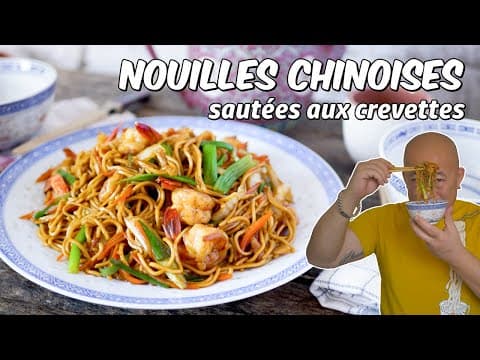
Nouilles sautées aux crevettes
Nouilles chinoises sautées aux crevettes, carottes, chou chinois et oignon vert, le tout nappé d'une sauce soja‑huître légèrement parfumée à l'huile de sésame. Une recette simple, rapide et pleine de saveurs asiatiques, idéale pour un dîner en semaine.

Crevettes croustillantes au sel et poivre
Des crevettes croustillantes, salées et poivrées, préparées sans friture profonde. Cette version maison reproduit le goût des restaurants chinois en quelques minutes, idéale pour un dîner rapide et savoureux.
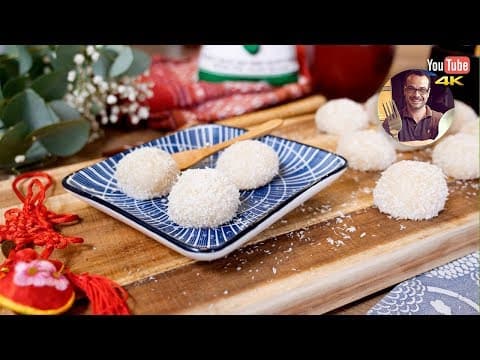
Boules de coco vapeur
Des petites boules moelleuses à base de farine de riz gluant, parfumées au lait de coco et enrobées de noix de coco râpée. Parfaites pour le Nouvel An chinois ou comme dessert asiatique léger.

Bœuf au poivre noir à la chinoise
Un bœuf tendre en fines tranches, mariné au bicarbonate, sauté rapidement avec ail, oignon et poivre noir toasté, le tout nappé d'une sauce soja‑huître légèrement sucrée et acidulée. Servi avec du riz blanc, ce plat classique de la cuisine chinoise est à la fois simple et plein de saveurs.
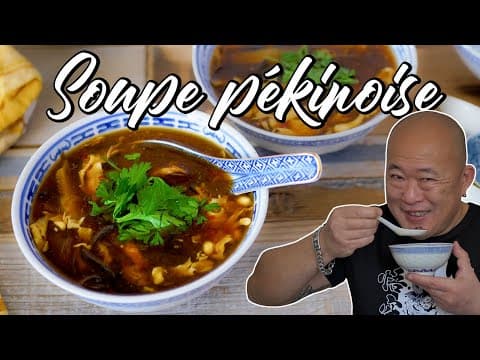
Soupe pékinoise au poulet, vermicelles de soja et champignons noirs
Une soupe chinoise classique, légère et épicée, à base de poulet, vermicelles de soja, champignons noirs et aromatisée à la sauce soja, vinaigre et piment. Parfaite pour un repas réconfortant et rapide.
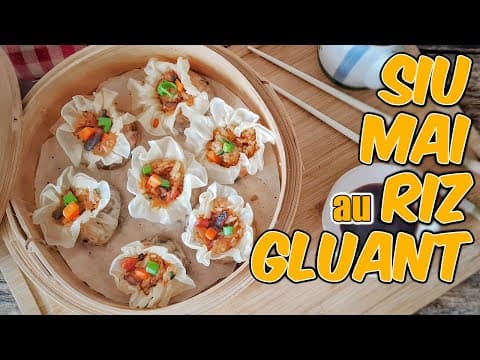
Choumayh vapeur au riz gluant, carottes, shiitake et saucisse chinoise
Des dumplings vapeur traditionnels chinois, préparés avec du riz gluant, des shiitakes réhydratés, des carottes croquantes, de la saucisse chinoise et assaisonnés de sauces soja et d'huile de sésame. Faciles à façonner, ils se cuisent en seulement quelques minutes et offrent une texture moelleuse et savoureuse.