Rosca de Reyes

Rosca de Reyes is a medium Mexican recipe that serves 10. 350 calories per serving.

Prep: 3 hrs 55 min | Cook: 25 min | Total: 4 hrs 40 min

Cost: $5.59 total, $0.56 per serving

Ingredients

  • 1 packet packet Active Dry Yeast (7 g instant yeast)
  • 1 tbsp tablespoon Sugar (for yeast activation)
  • 1 tbsp tablespoon All-Purpose Flour (for yeast activation)
  • 110 ml ml Warm Milk (110°F / 43°C)
  • 500 g grams All-Purpose Flour (remaining flour)
  • 100 g grams Sugar (remaining sugar)
  • 1 tsp teaspoon Salt (a pinch)
  • 3 pieces Eggs (room temperature)
  • 2 pieces Egg Yolks (room temperature)
  • 1 tsp teaspoon Vanilla Extract (for flavor)
  • 1 tsp teaspoon Orange Zest (freshly grated)
  • 100 g grams Unsalted Butter (softened, cut into pieces)
  • 50 g grams Margarine (for topping paste)
  • 50 g grams Powdered Sugar (for topping paste)
  • 30 g grams All-Purpose Flour (for topping paste)
  • 1 piece Egg Yolk (for topping paste)
  • 1 piece Egg (beaten, for egg wash)
  • as needed Candied Fruit Decorations (e.g., dried figs, candied cherries, colorful fruits)
  • sprinkle Granulated Sugar (for final dusting)

Instructions

  1. Activate Yeast

    Combine 1 tbsp sugar, 1 tbsp flour, the packet of yeast and 110 ml warm milk (43 °C) in a small bowl. Stir until fully incorporated and let sit until foamy.

    Time: PT5M

  2. Mix Dough Ingredients

    In a large mixing bowl add the remaining 500 g flour, 100 g sugar, 1 tsp salt, the room‑temperature eggs and yolks, vanilla extract, orange zest, softened butter pieces, and the activated yeast mixture. Stir until a shaggy dough forms.

    Time: PT10M

  3. Knead the Dough

    Turn the dough onto a lightly floured surface and knead for about 20 minutes, until smooth, elastic, and no longer sticking to your hands. Rest briefly if you get fatigued.

    Time: PT20M

  4. First Fermentation

    Place the kneaded dough in a lightly oiled bowl, cover with plastic wrap, and let it rise in a warm spot (around 30 °C) until doubled in size, about 2 hours.

    Time: PT2H

    Temperature: 30°C

  5. Prepare Topping Paste

    In a small bowl combine 50 g margarine, 30 g flour, 50 g powdered sugar, and 1 egg yolk. Mix with a fork, then finish with clean hands until a smooth paste forms.

    Time: PT10M

  6. Punch Down and Shape the Rosca

    Gently deflate the risen dough, turn it onto a floured surface, and shape it into a long rope. Roll the rope into a circle, tuck the ends underneath, and seal the seam by pressing with your palms.

    Time: PT10M

  7. Second Fermentation

    Place the shaped rosca on a greased baking sheet, cover loosely with plastic wrap, and let rise again until doubled, about 1 hour.

    Time: PT1H

    Temperature: 30°C

  8. Egg Wash and Add Decorations

    Beat 1 egg and brush the entire rosca lightly. Spread the prepared butter‑sugar paste in a thin strip on top, sprinkle with candied fruits, and dust with a little granulated sugar.

    Time: PT10M

  9. Bake

    Preheat the oven to 165 °C (325 °F). Bake the rosca for 25 minutes, or until the surface is deep golden and sounds hollow when tapped.

    Time: PT25M

    Temperature: 165°C

  10. Cool and Serve

    Remove the rosca from the oven, transfer to a wire rack and let cool completely before slicing.

    Time: PT30M

Nutrition Facts

Calories
350
Protein
6 g
Carbohydrates
55 g
Fat
12 g
Fiber
2 g

Dietary info: Vegetarian, Contains dairy, Contains eggs

Allergens: Eggs, Milk, Gluten, Butter

Last updated: March 15, 2026

Amazon Associates

Amazon Associates PartnerTrusted

As an Amazon Associate, we earn from qualifying purchases made through links on this page. This helps support our site at no extra cost to you. Clicking on ingredient or equipment links will take you to amazon.com where you can purchase these items.

Rosca de Reyes

Traditional Mexican Rosca de Reyes, a sweet, fragrant bread flavored with orange zest and vanilla, brushed with egg wash, topped with colorful candied fruits and a buttery sugar paste. Perfect for celebrating the Epiphany or any special occasion.

MediumMexicanServes 10

Shop all ingredients on Amazon in one click • Printable PDF with shopping checklist

Source Video
4h 35m
Prep
25m
Cook
36m
Cleanup
5h 36m
Total

Cost Breakdown

$5.59
Total cost
$0.56
Per serving

Critical Success Points

  • Activating the yeast properly
  • First fermentation until the dough doubles
  • Sealing the seam of the rosca correctly
  • Second fermentation for proper rise
  • Baking until the crust is golden and the interior is cooked

Safety Warnings

  • Handle the hot oven with mitts to avoid burns.
  • Do not consume raw dough because it contains raw eggs.

Frequently Asked Questions

Everything you need to know about this recipe

Q

What is the cultural significance and history of Rosca de Reyes in Mexican cuisine?

A

Rosca de Reyes is a traditional Mexican sweet bread that commemorates the Epiphany, celebrating the visit of the Three Wise Men to the baby Jesus. Its circular shape symbolizes a king's crown, and hidden figurines inside represent the baby Jesus, linking the pastry to religious folklore. Over centuries, it has become a staple of Mexican holiday celebrations, especially on January 6th.

cultural
Q

What are the traditional regional variations of Rosca de Reyes in Mexico?

A

In Mexico, some regions add local fruits like guava or use different dough enrichments such as piloncillo for a deeper caramel flavor. In the Yucatán, the Rosca may be flavored with orange blossom water, while in central Mexico the classic version uses orange zest and vanilla. Each variation reflects regional taste preferences while preserving the iconic crown shape.

cultural
Q

How is Rosca de Reyes authentically served in Mexican celebrations?

A

Traditionally, Rosca de Reyes is served at midday on January 6th, sliced and shared with family and friends. The bread is brushed with a butter‑sugar glaze and topped with colorful candied fruits that represent the jewels of a king's crown. The person who finds the hidden plastic baby figurine in their slice is expected to host a party on Candlemas (Día de la Candelaria) later in February.

cultural
Q

What occasions or celebrations is Rosca de Reyes traditionally associated with in Mexican culture?

A

Rosca de Reyes is most closely tied to the celebration of Epiphany, also known as Día de los Reyes Magos, on January 6th. It is also linked to the subsequent Candlemas (Día de la Candelaria) celebration, where the finder of the hidden figurine prepares tamales and atole. The bread thus bridges two important Mexican festive traditions.

cultural
Q

How does Rosca de Reyes fit into the broader Mexican cuisine tradition?

A

Rosca de Reyes exemplifies Mexican pastry traditions that blend European techniques with local flavors, such as orange zest, vanilla, and candied tropical fruits. It reflects the Mexican custom of turning religious holidays into communal food experiences, similar to pan de muerto for Day of the Dead. The bread’s sweet, fragrant profile complements the rich, savory dishes typical of Mexican holiday meals.

cultural
Q

What are the authentic traditional ingredients for Rosca de Reyes versus acceptable substitutes?

A

Authentic Rosca de Reyes uses active dry yeast, sugar, all‑purpose flour, warm milk, orange zest, vanilla extract, butter, and candied fruits. Acceptable substitutes include using plant‑based milk for a dairy‑free version, swapping orange zest with lemon zest for a different citrus note, or using a gluten‑free flour blend while maintaining the same hydration ratio. The essential flavors—citrus, vanilla, and buttery richness—should remain unchanged.

cultural
Q

What other Mexican dishes pair well with Rosca de Reyes during the Epiphany celebration?

A

Rosca de Reyes is commonly enjoyed alongside hot chocolate or atole, a warm corn‑based drink, creating a comforting sweet‑savory pairing. For a more substantial meal, it can be served after a plate of tamales, especially on Candlemas when the figurine finder prepares tamales. Fresh fruit salads with tropical fruits also complement the bread’s candied fruit topping.

cultural
Q

What are the most common mistakes to avoid when making Rosca de Reyes from the YouTube video recipe?

A

A frequent error is under‑proofing the dough, which leads to a dense, heavy loaf instead of a light, airy texture. Over‑mixing the batter can develop too much gluten, making the crust tough. Additionally, applying the egg wash too early can cause the candied fruits to melt and lose their bright color.

technical
Q

Why does this Rosca de Reyes recipe use an egg wash instead of a simple glaze?

A

The egg wash creates a glossy, golden crust that helps the butter‑sugar paste adhere evenly while enhancing visual appeal. Unlike a simple sugar glaze, the egg wash also adds a subtle richness and helps the candied fruits stay in place during baking. This technique is traditional for festive Mexican breads like Rosca de Reyes.

technical
Q

How do I know when the Rosca de Reyes is fully baked and ready to be brushed with butter‑sugar paste?

A

The Rosca should be a deep golden brown and sound hollow when tapped on the bottom. An internal temperature of about 190°F (88°C) indicates the crumb is fully set. Once removed from the oven, let it cool slightly before brushing with the butter‑sugar paste to avoid melting the glaze.

technical
Q

What does the YouTube channel Unknown specialize in, and how does its approach to Mexican cooking appear in the Rosca de Reyes video?

A

The YouTube channel Unknown focuses on traditional Mexican recipes presented with clear, step‑by‑step instructions and cultural context. In the Rosca de Reyes video, the channel emphasizes authentic ingredients, proper fermentation techniques, and the festive significance of the bread, reflecting its dedication to preserving Mexican culinary heritage.

channel

You Might Also Like

Similar recipes converted from YouTube cooking videos

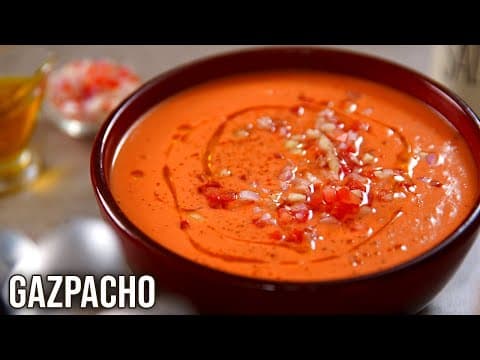
Gazpacho
6

Gazpacho

A refreshing, raw Spanish gazpacho made with ripe tomatoes, cucumber, onion, bell peppers, stale bread, olive oil and a splash of vinegar. No cooking required – just blend, chill, and serve with a fresh salsa garnish. Perfect for hot summer days.

3 hrs 10 minServes 4$20
Spanish
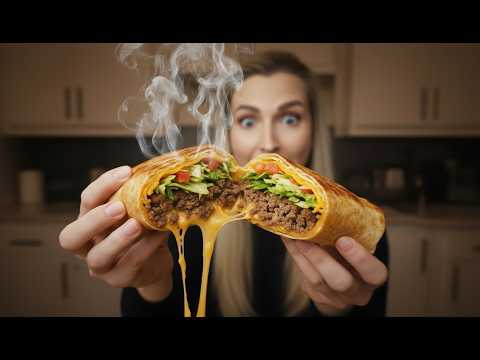
The Easiest Homemade Crunchwrap Supreme Recipe
19

The Easiest Homemade Crunchwrap Supreme Recipe

A quick, crowd‑pleasing Mexican‑American crunch wrap that combines seasoned ground beef, cheese sauce, fresh veggies, and a crispy tostada shell, all pan‑fried to golden perfection. Perfect for a fast dinner or a tasty snack.

45 minServes 8$19
Mexican-American
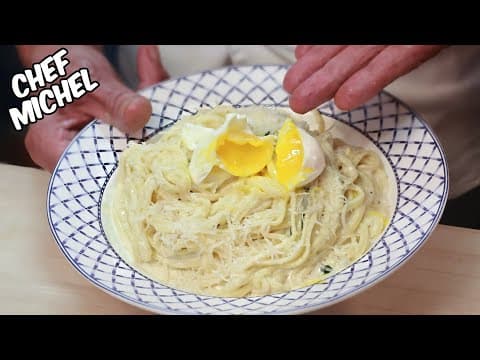
Lemon Garlic Pasta with Creamy Sauce
10

Lemon Garlic Pasta with Creamy Sauce

Fresh linguine coated in a creamy lemon, garlic and basil sauce, topped with a poached egg and parmesan. A protein‑rich dish, ideal for athletes and fans of Mediterranean cuisine.

32 minServes 4$11
French
Savory Sweet Vermicelli (Sevai) with Mixed Vegetables
6

Savory Sweet Vermicelli (Sevai) with Mixed Vegetables

A quick‑cook Indian snack that balances sweet, tangy, and spicy flavors. Lightly roasted vermicelli is tossed with boiled peas, carrots, bell pepper, French beans, peanuts, fresh coriander, lemon juice and a blend of aromatic spices. The dish is finished with a dash of ghee for richness and can be served warm or at room temperature.

40 minServes 4$15
Indian
Gelatin Satiety Snack (Hunger‑Control Gelatin Mix)
8

Gelatin Satiety Snack (Hunger‑Control Gelatin Mix)

A quick, low‑calorie gelatin‑based snack designed to boost satiety and curb cravings. Made with unflavored gelatin, water, cocoa powder, and a touch of honey, this snack sets in the fridge and can be enjoyed any time of day to help control hunger without adding many calories.

2 hrs 15 minServes 2$0
American
Green Gauge Lime Preserve
13

Green Gauge Lime Preserve

A traditional Virgin Islands lime preserve known as Green Gauge, made from whole green limes (rind, juice, and zest) with sugar and a touch of green food coloring. This tart, slightly bitter jam is used as a layer in the classic seven‑layer Vienna cake or as a spread for toast, bagels, and meats.

26 hrs 30 minServes 8$3
Virgin Islands