

Amazon Associates PartnerTrusted
As an Amazon Associate, we earn from qualifying purchases made through links on this page. This helps support our site at no extra cost to you. Clicking on ingredient or equipment links will take you to amazon.com where you can purchase these items.
우지라면 (삼양 1963)
삼양 1963에서 재출시된 36년 전통의 우지라면을 집에서도 간편하게 끓이는 방법을 소개합니다. 튀김 면 특유의 고소함과 우지(우유) 베이스 국물의 깊은 맛을 살리기 위해 물, 액상 수프, 파·배추·홍고추 등 신선한 채소와 계란을 마지막에 넣어 부드럽고 얼큰한 한 그릇을 완성합니다.
Shop all ingredients on Amazon in one click • Printable PDF with shopping checklist
Cost Breakdown
Critical Success Points
- • 물 끓이기 단계에서 물이 완전히 끓어야 면이 고르게 익는다.
- • 면과 액상 수프를 넣고 정확히 4분간 끓여야 면이 퍼지지 않는다.
- • 채소와 계란은 마지막에 넣어야 식감과 풍미가 살아난다.
Safety Warnings
- • 끓는 물을 다룰 때 화상에 주의하세요.
- • 가스레인지 사용 시 불을 확인하고 사용 후 반드시 끄세요.
Frequently Asked Questions
Everything you need to know about this recipe
What is the cultural significance and history of 우지라면 (삼양 1963) in Korean cuisine?
우지라면 (삼양 1963) was originally launched in 1963 and became a nostalgic staple for generations of Koreans, representing the post‑war era when convenient, affordable meals were essential. Its milk‑based broth, called "우지," reflects Korea’s tradition of using dairy to enrich soups, making it a unique comfort food. Over the decades the brand has been revived, preserving its heritage while appealing to modern taste buds.
What are the traditional regional variations of 우지라면 (삼양 1963) within Korea?
While the core recipe of 우지라면 (삼양 1963) stays the same nationwide, some regions add local vegetables such as kimchi in Jeolla‑do or spicy gochujang paste in Gyeongsang‑do to match regional flavor preferences. In Seoul cafés, a touch of sliced Korean pear is sometimes added for subtle sweetness. These variations showcase how Koreans adapt the classic milk‑ramen to regional palates.
How is 우지라면 (삼양 1963) authentically served in Korean households or street stalls?
Traditionally, 우지라면 (삼양 1963) is served hot in a deep bowl with the broth poured over the cooked noodles, topped with a raw or lightly poached egg, sliced scallions, and shredded napa cabbage. Street vendors often add a dash of toasted sesame oil and a sprinkle of toasted seaweed for extra aroma. The dish is eaten immediately to enjoy the creamy, slightly spicy broth at its peak temperature.
On what occasions or celebrations is 우지라면 (삼양 1963) traditionally enjoyed in Korean culture?
우지라면 (삼양 1963) is a popular comfort food for late‑night study sessions, rainy days, and after‑work gatherings, rather than formal celebrations. However, many families serve it during casual birthday parties or school reunions as a nostalgic treat that evokes childhood memories. Its quick preparation also makes it a go‑to dish for impromptu get‑togethers.
How does 우지라면 (삼양 1963) fit into the broader Korean noodle soup tradition?
우지라면 (삼양 1963) joins a long line of Korean "guk"‑type noodles such as kalguksu and jjajangmyeon, but distinguishes itself with a milky, slightly sweet broth derived from dairy rather than anchovy or beef stock. This reflects Korea’s experimental post‑war instant‑ramen era, where manufacturers blended Western dairy influences with Korean spice profiles. It therefore occupies a unique niche as a hybrid of comfort ramen and traditional soup.
What are the authentic traditional ingredients for 우지라면 (삼양 1963) versus acceptable modern substitutes?
The authentic ingredients include the 우지라면 (삼양 1963) noodle block, the original liquid soup base, fresh napa cabbage, scallions, Korean red chili (gochugaru), and a raw egg. Modern cooks may substitute the liquid soup with a homemade milk‑broth or use low‑sodium chicken stock for a lighter taste, and can replace napa cabbage with bok choy if desired. These swaps keep the flavor profile recognizable while accommodating dietary preferences.
What other Korean dishes pair well with 우지라면 (삼양 1963) for a balanced meal?
A crisp Korean kimchi, such as baechu kimchi, provides a tangy contrast to the creamy broth of 우지라면 (삼양 1963). Side dishes like seasoned spinach (sigeumchi namul) or a small plate of Korean pancake (jeon) add texture and protein. Together they create a balanced Korean table with varied flavors and nutrients.
What makes 우지라면 (삼양 1963) special or unique among Korean instant ramen varieties?
우지라면 (삼양 1963) is unique because its broth is milk‑based, giving it a rich, velvety texture unlike the typical seafood or beef‑based Korean ramens. The inclusion of a fried‑noodle style texture and the option to add fresh vegetables and egg at the end also set it apart. Its legacy of over 60 years adds a nostalgic cultural value that many newer instant noodles lack.
What are the most common mistakes to avoid when making 우지라면 (삼양 1963) at home using the YouTube channel 1분요리 뚝딱이형 method?
A frequent error is adding the liquid soup base too early, which can cause the milk to curdle when boiled vigorously. Another mistake is over‑cooking the noodles, leading to a mushy texture; they should be boiled just until al dente. Finally, adding the egg and fresh vegetables too early can result in over‑cooked greens and a rubbery egg.
Why does the 우지라면 (삼양 1963) recipe from YouTube channel 1분요리 뚝딱이형 add the egg and fresh vegetables at the end instead of at the beginning?
Adding the egg and fresh vegetables at the end preserves their bright color, crisp texture, and delicate flavors, which would be lost if boiled for too long. The late addition also prevents the milk‑based broth from separating, keeping the soup smooth and creamy. This timing aligns with the channel’s focus on quick, visually appealing dishes.
What texture and appearance should I look for to know that 우지라면 (삼양 1963) is perfectly cooked according to the 1분요리 뚝딱이형 video?
The noodles should be slightly firm to the bite (al dente) with a glossy sheen from the broth. The milk‑based soup should appear creamy and slightly opaque, with no visible curdling. The added vegetables should retain a vivid green, and the egg yolk should be just set, giving a silky finish.
What does the YouTube channel 1분요리 뚝딱이형 specialize in, and how does its cooking style differ from other Korean cooking channels?
YouTube channel 1분요리 뚝딱이형 specializes in ultra‑quick, one‑minute Korean recipes that use everyday pantry items and minimal equipment. Unlike many Korean cooking channels that focus on elaborate, multi‑step dishes, this channel emphasizes speed, simplicity, and visual clarity, often demonstrating shortcuts while preserving authentic flavors. Its upbeat, fast‑paced editing makes it ideal for busy viewers seeking fast home‑cooked Korean meals.
You Might Also Like
Similar recipes converted from YouTube cooking videos

Carrot cake muffins
Soft, moist carrot cake muffins with walnuts and a crunchy pine‑nut topping. Inspired by Maangchi's Korean‑style carrot cake, these easy‑to‑make muffins are perfect for breakfast, snacks, or a healthy treat.

Whipped Coffee / Dalgona Coffee Recipe
A quick, viral‑style whipped coffee made with equal parts instant coffee, sugar, and hot water, then floated over hot or iced milk. Optional vanilla, cinnamon, and cocoa powder add a Mexican‑chocolate twist. Perfect for a fast café‑like treat at home.
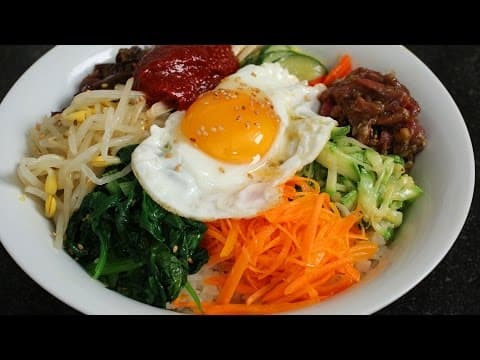
Bibimbap (비빔밥) & Dolsot-bibimbap (돌솥비빔밥)
A colorful, nutritious Korean bibimbap featuring individually sautéed vegetables, seasoned raw beef yukhoe, sunny‑side‑up egg, and a crispy rice crust in a stone bowl (dolsot). This recipe follows Maangchi's classic method, offering step‑by‑step guidance for each side dish and tips for perfect texture and flavor.

ಮದುವೆ ಮನೆ ಶೈಲಿಯ ರುಚಿಯಾದ ತರಕಾರಿ ಸಾಂಬಾರ್
A fresh, crisp Korean‑style apple salad tossed in a light soy‑sesame dressing with a hint of gochugaru. Perfect as a light side dish or snack, this recipe brings together sweet apple, savory soy, and nutty sesame for a quick, healthy bite.

If I could only make one noodle dish…
A quick, weeknight‑ready Korean‑inspired noodle bowl featuring fresh udon, a savory‑sweet gochujang sauce, crisp napa cabbage, and crispy baked tofu. Ready in about an hour, this dish packs bold flavor, heat, and satisfying texture.
![(롤케이크 기본) 스위스 롤케이크 만들기, 젤리 롤 케이크 만들기, 기본 롤케이크 만들기, swiss roll cake [홈베이킹], 쿠킹씨 cooking see](/_next/image?url=https%3A%2F%2Fimg.youtube.com%2Fvi%2F-6oKEiI6_N0%2Fhqdefault.jpg&w=3840&q=75)
(롤케이크 기본) 스위스 롤케이크 만들기, 젤리 롤 케이크 만들기, 기본 롤케이크 만들기, swiss roll cake [홈베이킹], 쿠킹씨 cooking see
A light and fluffy Swiss roll cake made with a classic meringue sponge, filled with fruit jam or honey, and rolled tightly for a beautiful spiral. Perfect for tea time or celebrations.