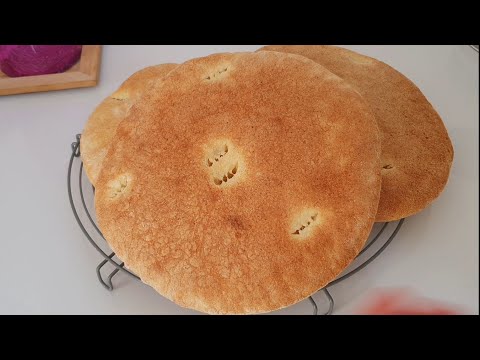
Pain arabe (khobz dar)

Pain arabe (khobz dar) is a easy Moyen-Orient recipe that serves 3. 800 calories per serving. Recipe by Oum Arwa on YouTube.

Prep: 1 hr 3 min | Cook: 20 min | Total: 1 hr 38 min

Cost: $63.28 total, $21.09 per serving

Ingredients

  • 450 g Farine de blé type 45 (farine tout usage, tamisée)
  • 200 g Semoule extra fine (type couscous, très fine)
  • 400 g Eau tiède (environ 30‑35 °C)
  • 6 g Sel fin
  • 8 g Sucre blanc
  • 5 g Levure boulangère déshydratée (levure sèche active)

Instructions

  1. Mesurer les ingrédients

    Peser la farine, la semoule, le sel, le sucre et la levure. Préparer l’eau tiède.

    Time: PT5M

  2. Mélanger les ingrédients secs

    Dans le bol du robot ou un grand récipient, mélanger la farine, la semoule, le sel, le sucre et la levure.

    Time: PT2M

  3. Pétrir la pâte

    Ajouter l’eau tiède petit à petit tout en pétrissant à basse vitesse, puis augmenter légèrement la vitesse jusqu’à obtenir une pâte souple et légèrement collante.

    Time: PT7M

  4. Première levée

    Couvrir la pâte avec un torchon humide et laisser lever 30 minutes à température ambiante.

    Time: PT30M

  5. Rabattre et deuxième levée

    Rabattre les bords de la pâte vers le centre, couvrir à nouveau et laisser lever jusqu’à ce qu’elle double de volume (environ 15‑20 minutes).

    Time: PT18M

  6. Façonner les boules

    Diviser la pâte en trois parts d’environ 350 g, former des boules lisses et les déposer sur le plan de travail saupoudré de semoule extra fine.

    Time: PT5M

  7. Repos rapide avant l’étalage

    Laisser reposer les boules 1 minute, puis les aplatir légèrement à la main sans rouleau.

    Time: PT2M

  8. Préchauffer le four

    Préchauffer le four à 250 °C.

    Time: PT10M

    Temperature: 250°C

  9. Cuisson du pain

    Déposer les pains sur la grille du four (ou sur un plateau rond). Cuire 6 minutes, puis retourner les pains et cuire 3‑4 minutes supplémentaires.

    Time: PT10M

    Temperature: 250°C

  10. Repos après cuisson

    Sortir les pains, les placer sur une grille ou un tissu propre et couvrir 5 minutes pour les ramollir.

    Time: PT5M

Nutrition Facts

Calories
800
Protein
22 g
Carbohydrates
163 g
Fat
2 g
Fiber
3 g

Dietary info: vegan, sans lactose, sans œufs, low-fat

Allergens: gluten, céréales

Last updated: March 18, 2026

Amazon Associates

Amazon Associates PartnerTrusted

As an Amazon Associate, we earn from qualifying purchases made through links on this page. This helps support our site at no extra cost to you. Clicking on ingredient or equipment links will take you to amazon.com where you can purchase these items.

Pain arabe (khobz dar)

Recipe by Oum Arwa

Découvrez comment préparer un pain arabe moelleux, appelé khobz dar, avec des proportions précises de farine, semoule extra‑fine et eau. Cette recette facile, adaptée aux débutants, utilise un robot pâtissier ou le pétrissage à la main et se cuit à très haute température pour obtenir une croûte légère et un intérieur ultra‑moelleux.

EasyMoyen-OrientServes 3

Shop all ingredients on Amazon in one click • Printable PDF with shopping checklist

Source Video
1h 19m
Prep
15m
Cook
11m
Cleanup
1h 45m
Total

Cost Breakdown

$63.28
Total cost
$21.09
Per serving

Critical Success Points

  • Pétrir la pâte jusqu’à obtenir une texture souple (étape 3)
  • Façonner les boules sans trop de farine (étape 6)
  • Cuisson à haute température et retournement (étape 9)
  • Première levée pour développer le gluten (étape 4)

Safety Warnings

  • Manipuler le four très chaud (250 °C) avec précaution pour éviter les brûlures.
  • Utiliser des gants de cuisine lorsqu’on retire les pains du four.
  • Ne pas inhaler la levure sèche en grande quantité.

Frequently Asked Questions

Everything you need to know about this recipe

Q

What is the cultural significance and history of Pain arabe (khobz dar) in Moyen-Orient cuisine?

A

Pain arabe (khobz dar) is a staple flatbread that dates back centuries in the Levant, traditionally baked in communal ovens and shared at family meals. It reflects the region's reliance on wheat and semolina, symbolizing hospitality and everyday nourishment. Over time it has become synonymous with home‑cooked comfort food across the Moyen-Orient.

cultural
Q

What are the traditional regional variations of Pain arabe (khobz dar) in different parts of the Moyen-Orient?

A

In Lebanon and Syria, khobz dar often includes a higher proportion of fine semolina for a slightly grainier crumb, while in Jordan it may be brushed with olive oil before baking for a richer crust. In Palestine, a touch of yogurt is sometimes added to the dough for extra softness. Each variation reflects local grain preferences and baking traditions within the Moyen-Orient.

cultural
Q

How is Pain arabe (khobz dar) authentically served in traditional Moyen-Orient households or restaurants?

A

Authentic Pain arabe (khobz dar) is served warm, directly from the oven, and used to scoop up mezze, hummus, or stews like tagine. It is often placed on a large platter and broken by hand, encouraging communal eating. In restaurants, it may be presented in a basket lined with a clean kitchen towel to retain heat.

cultural
Q

On which occasions or celebrations is Pain arabe (khobz dar) traditionally associated in Moyen-Orient culture?

A

Pain arabe (khobz dar) appears at everyday family meals but also features at festive occasions such as Ramadan iftar, Eid gatherings, and wedding feasts where sharing bread symbolizes unity. It is a common accompaniment to celebratory dishes like lamb kebabs or stuffed vegetables, reinforcing its role in both daily and special events in the Moyen-Orient.

cultural
Q

How does Pain arabe (khobz dar) fit into the broader Moyen-Orient bread tradition?

A

Pain arabe (khobz dar) complements the rich tapestry of Moyen-Orient breads, sitting between the ultra‑thin pita and the denser, leavened manakish. Its soft interior and light crust make it ideal for wrapping fillings, linking it to the region's tradition of handheld, shareable breads. It showcases the balance of wheat flour and semolina that is characteristic of many Moyen-Orient breads.

cultural
Q

What are the authentic traditional ingredients for Pain arabe (khobz dar) versus acceptable substitutes?

A

The authentic recipe calls for Type 45 wheat flour, extra‑fine semolina, warm water, fine salt, and a pinch of white sugar to aid yeast activation. If Type 45 flour is unavailable, a high‑protein all‑purpose flour works as a substitute, and a small amount of whole‑wheat flour can add rustic flavor. However, substituting the semolina with coarse cornmeal would alter the texture significantly and is not traditional.

cultural
Q

What other Moyen-Orient dishes pair well with Pain arabe (khobz dar)?

A

Pain arabe (khobz dar) pairs beautifully with hummus, baba ganoush, and labneh for simple dips, as well as with richer dishes like lamb shank tagine, chicken shawarma, and stuffed grape leaves (warak enab). Its soft crumb also makes it ideal for wrapping falafel or grilled kofta, allowing the bread to soak up sauces without becoming soggy.

cultural
Q

What are the most common mistakes to avoid when making Pain arabe (khobz dar) using the recipe from the YouTube channel Oum Arwa?

A

Common mistakes include under‑hydrating the dough, which results in a dense crumb, and not allowing the dough to rest long enough, which prevents proper gluten development. Over‑mixing can make the bread tough, and baking at a temperature lower than the recommended very high heat will yield a hard crust instead of the desired light, airy exterior. Following Oum Arwa's timing and temperature guidelines is essential.

technical
Q

Why does the Pain arabe (khobz dar) recipe from YouTube channel Oum Arwa use a very high oven temperature instead of a lower, slower bake?

A

Oum Arwa uses a very high oven temperature (typically 250 °C/482 °F) to create rapid steam expansion, which forms the characteristic puffed interior and thin, crisp crust of Pain arabe (khobz dar). The intense heat also caramelizes the surface quickly, giving the bread its subtle golden color without drying out the crumb. A lower temperature would produce a flatter, less airy loaf.

technical
Q

How do I know when Pain arabe (khobz dar) is done cooking and what texture and appearance should I look for?

A

The bread is done when the top is a light golden brown and the crust feels firm to the touch but yields slightly under pressure. When tapped on the bottom, it should produce a hollow sound, indicating a fully baked interior. The crumb should be soft, airy, and slightly moist, with visible tiny bubbles from the high‑heat bake.

technical
Q

What does the YouTube channel Oum Arwa specialize in, especially regarding Moyen-Orient cooking?

A

The YouTube channel Oum Arwa specializes in home‑cooked Moyen-Orient recipes, focusing on authentic Lebanese, Syrian, and Palestinian dishes made with accessible ingredients. It offers step‑by‑step video tutorials that emphasize traditional techniques while adapting them for modern kitchens. The channel frequently highlights breads, pastries, and classic mezze that showcase regional flavors.

channel
Q

What is the cooking philosophy and style of the YouTube channel Oum Arwa, and how does it differ from other Moyen-Orient cooking channels?

A

Oum Arwa's cooking philosophy centers on simplicity, authenticity, and the joy of sharing meals with family, often using a single mixing bowl or a stand mixer for ease. Unlike many channels that chase gourmet plating, Oum Arwa prioritizes flavor, texture, and cultural storytelling, providing clear explanations of each ingredient's role. This approach makes traditional Moyen-Orient dishes approachable for beginners while preserving their heritage.

channel

You Might Also Like

Similar recipes converted from YouTube cooking videos

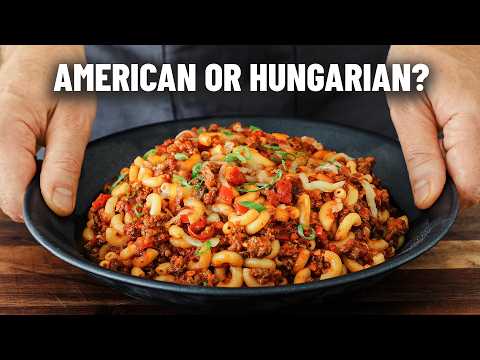
American Goulash with Cheddar Macaroni
33

American Goulash with Cheddar Macaroni

A comforting American goulash packed with caramelized onions, roasted peppers, seasoned ground beef, smoky bacon, and a rich tomato sauce, served over al dente macaroni and topped with sharp cheddar cheese and green onions. Perfect for a family dinner.

2 hrs 20 minServes 8$26
American
Arabic Bread (khobz dar)
10

Arabic Bread (khobz dar)

Discover how to make a soft Arabic bread, called khobz dar, with precise proportions of flour, extra‑fine semolina and water. This easy recipe, suitable for beginners, uses a stand mixer or hand kneading and is baked at very high temperature to achieve a light crust and an ultra‑soft interior.

1 hr 38 minServes 3$2
Middle Eastern
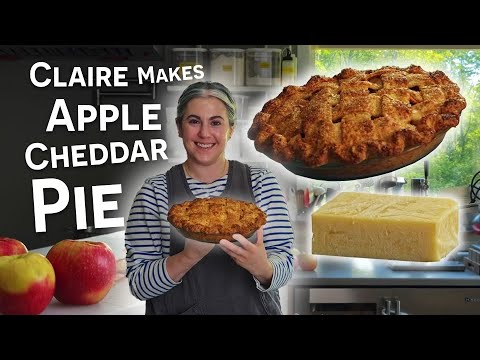
Apple Cheddar Pie
180

Apple Cheddar Pie

A New England‑inspired apple pie that pairs sweet, tart Honeycrisp apples with a buttery, flaky crust infused with aged Kerrygold cheddar. The filling is enriched with a caramelized heavy‑cream reduction, a splash of apple cider vinegar, vanilla, and optional orange bitters for depth. Finished with a classic lattice top, this pie delivers a perfect sweet‑salty balance for fall gatherings.

6 hrs 45 minServes 8$70
American
Sanosan's Legendary Shio Ramen
36

Sanosan's Legendary Shio Ramen

A faithful recreation of Sanosan's iconic shio ramen broth, featuring a clear, umami‑rich dashi‑based soup, homemade shio tare, and a blend of chicken, pork, and shrimp aromatics. Follow the step‑by‑step guide to build a restaurant‑quality bowl at home and serve it fresh for maximum impact.

6 hrs 12 minServes 8$34
Japanese
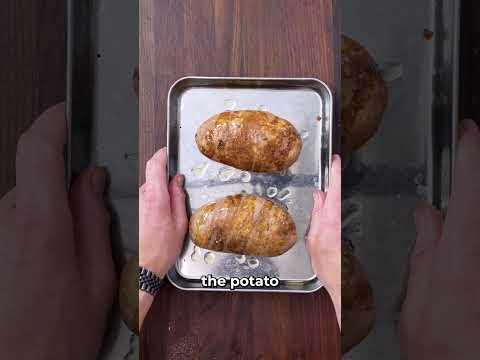
Cheddar Broccoli Twice Baked Potato
40

Cheddar Broccoli Twice Baked Potato

A hearty twist on the classic twice‑baked potato: fluffy baked russet potatoes are filled with a bacon‑sour‑cream mash and topped with a rich cheddar‑broccoli soup. Perfect for a comforting dinner or a crowd‑pleasing side.

1 hr 50 minServes 4$13
American
How I Make Rao's Legendary Lemon Chicken
62

How I Make Rao's Legendary Lemon Chicken

A two‑step roasted and broiled whole chicken spatchcocked, dry‑brined overnight, and finished with a bright lemon‑olive‑oil sauce. Crispy skin, juicy meat, and a buttery herb sauce make this a crowd‑pleasing main course.

1 hr 45 minServes 4$38
American