Oyster Motoyaki (Japanese Miso Baked Oysters)

Oyster Motoyaki (Japanese Miso Baked Oysters) is a medium Japanese recipe that serves 2. 350 calories per serving.

Prep: 20 min | Cook: 8 min | Total: 40 min

Cost: $86.02 total, $43.01 per serving

Ingredients

  • 6 pieces Large oysters (In shell, fresh)
  • 0.5 tablespoon Lemon juice (Freshly squeezed preferred)
  • 0.5 tablespoon Mirin (Japanese sweet cooking sake)
  • 1 tablespoon Miso paste (White (shiro) miso, low sodium preferred)
  • 0.5 teaspoon Sugar
  • 0.5 cup Japanese mayonnaise (Kewpie brand preferred)
  • 1 dash Paprika (Optional, for heat)
  • 1-2 tablespoons Panko crumbs or pork panko (Optional, for texture)
  • 1 sheet Aluminum foil (For lining baking tray)
  • to taste Salt (Optional, for serving)
  • as needed Lemon wedges (For serving)

Instructions

  1. Make the miso mayo sauce

    In a small bowl, combine 0.5 tbsp lemon juice, 0.5 tbsp mirin, 1 tbsp miso paste, and 0.5 tsp sugar. Mix well until smooth. Add 0.5 cup Japanese mayonnaise and a dash of paprika (optional). Mix until fully combined. Stir in 1-2 tbsp panko or pork panko if desired for texture.

    Time: PT5M

  2. Prepare and open the oysters

    Place the 6 oysters (in shell) on a microwave-safe plate. Microwave on 70% power for 30 seconds to loosen shells. Carefully remove and use a knife to pry open the shells. Run the knife along the top edge to release the oyster meat. Set aside.

    Time: PT5M

  3. Preheat oven and prepare baking tray

    Preheat oven to 350°F (175°C). Line a small baking tray with aluminum foil, crinkling it to create a stable surface for the oyster shells to sit upright.

    Time: PT3M

    Temperature: 350°F

  4. Chop oysters and assemble

    Optionally, chop oyster meat into bite-sized pieces and return to the bottom shell. Arrange shells on the prepared tray.

    Time: PT3M

  5. Top oysters with sauce

    Spoon 1-2 scoops of the miso mayo sauce over each oyster, covering the meat completely.

    Time: PT2M

  6. Bake oysters

    Bake oysters in the preheated oven for 5 minutes.

    Time: PT5M

    Temperature: 350°F

  7. Broil for golden top

    Switch oven to broil. Broil oysters for 1-2 minutes, watching closely, until tops are golden and slightly blistered.

    Time: PT2M

    Temperature: Broil

  8. Cool and serve

    Remove oysters from oven and let cool for 1-2 minutes. Transfer to serving plate. Optionally, sprinkle salt on the plate to help keep shells upright. Serve with lemon wedges.

    Time: PT2M

  9. Cleanup

    Wash all used utensils, mixing bowls, knives, cutting board, baking tray, plate, and serving utensils. Discard or compost oyster shells.

    Time: PT12M

Nutrition Facts

Calories
350
Protein
12g
Carbohydrates
10g
Fat
28g
Fiber
0.5g

Dietary info: Pescatarian, Low carb (if using pork panko), Dairy-free, low-carb, keto-friendly, low-calorie

Allergens: Shellfish, Egg, Soy, Gluten (if using regular panko)

Last updated: March 13, 2026

Amazon Associates

Amazon Associates PartnerTrusted

As an Amazon Associate, we earn from qualifying purchases made through links on this page. This helps support our site at no extra cost to you. Clicking on ingredient or equipment links will take you to amazon.com where you can purchase these items.

Oyster Motoyaki (Japanese Miso Baked Oysters)

A Japanese-style baked oyster dish featuring plump oysters topped with a savory-sweet miso mayonnaise sauce, baked and broiled for a golden finish. Includes optional panko or pork panko for texture. Perfect as an appetizer or special treat.

MediumJapaneseServes 2

Shop all ingredients on Amazon in one click • Printable PDF with shopping checklist

Source Video
34m
Prep
5m
Cook
10m
Cleanup
49m
Total

Cost Breakdown

$86.02
Total cost
$43.01
Per serving

Critical Success Points

  • Properly shucking or opening oysters without injury.
  • Ensuring oysters are not overbaked or overbroiled.
  • Covering oysters completely with sauce to prevent drying out.
  • Watching closely during broiling to prevent burning.

Safety Warnings

  • Oyster shells can be sharp—handle with care.
  • Microwaved oysters and shells will be hot; use oven mitts or tongs.
  • Broiler is very hot—watch closely to avoid burns.
  • Raw or undercooked oysters may pose a risk to those with compromised immune systems.

Frequently Asked Questions

Everything you need to know about this recipe

Q

What is the cultural significance and history of Oyster Motoyaki (Japanese Miso Baked Oysters) in Japanese cuisine?

A

Oyster Motoyaki (Japanese Miso Baked Oysters) originates from the post‑World War II era when miso‑based sauces became popular for enhancing seafood. It reflects Japan’s reverence for fresh ocean bounty and the tradition of lightly grilling or baking oysters to preserve their delicate flavor. The dish is often enjoyed as a seasonal delicacy during coastal festivals.

cultural
Q

What are the traditional regional variations of Oyster Motoyaki (Japanese Miso Baked Oysters) in Japan?

A

In the Kansai region, chefs often add a touch of yuzu zest to the miso topping for a citrus note, while in Kyushu they may incorporate a splash of local sake. Some coastal towns use locally harvested oyster varieties that differ in size and brininess, subtly altering the final taste. The core technique of miso‑based broiling remains consistent across regions.

cultural
Q

What is the authentic traditional way Oyster Motoyaki (Japanese Miso Baked Oysters) is served in Japan?

A

Traditionally, Oyster Motoyaki (Japanese Miso Baked Oysters) is served hot on a small ceramic or stone dish, garnished with a thin drizzle of soy sauce and a sprinkle of toasted sesame seeds. It is often accompanied by a side of freshly grated daikon radish and a wedge of lemon for brightness. The dish is eaten directly from the shell using chopsticks.

cultural
Q

What occasions or celebrations is Oyster Motoyaki (Japanese Miso Baked Oysters) traditionally associated with in Japanese culture?

A

Oyster Motoyaki (Japanese Miso Baked Oysters) is a popular appetizer during hanami (cherry‑blossom viewing) picnics and summer festivals when fresh oysters are abundant. It is also served at family gatherings celebrating the harvest of the oyster season, symbolizing prosperity and good fortune. The dish’s rich umami makes it a favored choice for celebratory izakaya menus.

cultural
Q

How does Oyster Motoyaki (Japanese Miso Baked Oysters) fit into the broader Japanese cuisine tradition?

A

The dish exemplifies the Japanese culinary principle of "umami harmony," combining the natural brininess of oysters with the sweet‑savory depth of miso and mirin. It showcases the technique of lightly broiling seafood, a method used in many classic Japanese preparations such as miso‑glazed fish. Oyster Motoyaki also highlights the cultural emphasis on seasonal, high‑quality ingredients.

cultural
Q

What are the authentic traditional ingredients for Oyster Motoyaki (Japanese Miso Baked Oysters) versus acceptable substitutes?

A

Authentic ingredients include fresh large oysters, Japanese white miso (shiro miso), mirin, a touch of sugar, and lemon juice for acidity. For the topping, Japanese mayonnaise and optional panko are typical. Acceptable substitutes are red miso for a deeper flavor, honey instead of sugar, or gluten‑free panko made from rice crackers for those with dietary restrictions.

cultural
Q

What other Japanese dishes pair well with Oyster Motoyaki (Japanese Miso Baked Oysters) as part of a meal?

A

A light chilled sashimi platter balances the richness of the baked oysters, while a simple miso soup provides a comforting backdrop. Side dishes such as pickled daikon (takuan) or a small bowl of rice seasoned with furikake complement the umami profile. For a full izakaya experience, serve with grilled yakitori or tempura vegetables.

cultural
Q

What makes Oyster Motoyaki (Japanese Miso Baked Oysters) special or unique in Japanese cuisine?

A

The dish uniquely merges the sea’s natural brine with a sweet‑savory miso‑mayonnaise glaze, creating a caramelized crust that is rare among traditional Japanese oyster preparations. Its optional panko topping adds a subtle crunch, distinguishing it from simple grilled oysters. This combination of textures and flavors embodies the Japanese love for balanced, layered taste experiences.

cultural
Q

What are the most common mistakes to avoid when making Oyster Motoyaki (Japanese Miso Baked Oysters) at home?

A

Over‑cooking the oysters is a frequent error; they should be baked just until the topping is golden and the oyster meat is still plump. Using too much sugar or mirin can make the glaze overly sweet, masking the oyster’s natural flavor. Finally, applying the topping too thickly can prevent the desired caramelization.

technical
Q

How do I know when Oyster Motoyaki (Japanese Miso Baked Oysters) is done cooking?

A

The dish is done when the miso‑mayonnaise topping turns a deep amber color and begins to bubble lightly, indicating caramelization. The oyster shells should be slightly open and the meat should look opaque but still juicy. A quick visual check for a glossy, slightly crisp surface confirms readiness.

technical
Q

What is the cooking philosophy and style of the YouTube channel that posted the Oyster Motoyaki (Japanese Miso Baked Oysters) video?

A

The YouTube channel that posted the Oyster Motoyaki (Japanese Miso Baked Oysters) video emphasizes authentic Japanese home cooking with a focus on seasonal ingredients and clear, step‑by‑step instruction. Its style blends traditional techniques with modern kitchen tools, aiming to make classic Japanese dishes approachable for an international audience. The channel often highlights the cultural stories behind each recipe.

channel
More like this:Japanese Recipes

You Might Also Like

Similar recipes converted from YouTube cooking videos

Charred scallion noodles

Charred scallion noodles

A simple Asian‑inspired noodle dish featuring udon (or any favorite noodles) tossed with slowly charred scallions and a quick soy‑vinegar stir‑fry sauce. The low‑heat char brings out a sweet, smoky flavor that makes the noodles taste restaurant‑level while using just a handful of pantry staples.

55 min
Serves 2
$4
1 views
JapaneseEasy
Miso salmon recipe- How to cook the most popular Japanese salmon dish

Miso salmon recipe- How to cook the most popular Japanese salmon dish

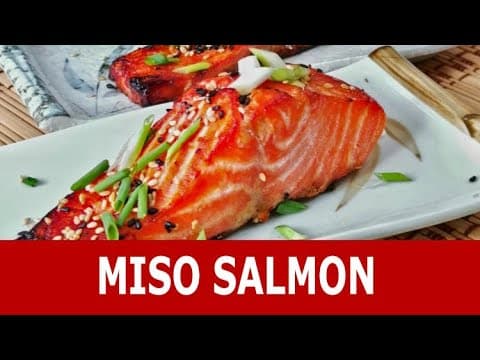
Miso Salmon is a simple yet flavorful Japanese dish that can be prepared either by broiling in the oven or pan‑grilling. A sweet‑savory miso glaze caramelizes on the fish, giving it a glossy, umami‑rich crust while keeping the flesh tender and juicy.

2 hrs 9 min
Serves 2
$29
6 views
JapaneseMedium
2-INGREDIENT JAPANESE YOGURT CHEESECAKE✨

2-INGREDIENT JAPANESE YOGURT CHEESECAKE✨

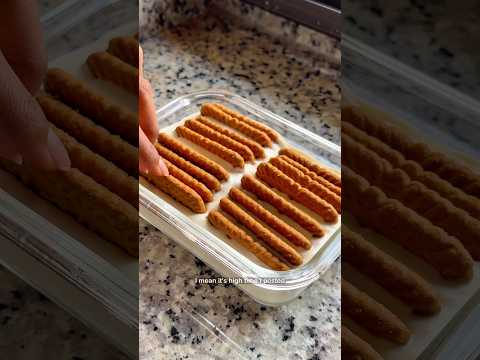
A plant‑based take on the viral Japanese yogurt cheesecake that uses only high‑protein Greek soy yogurt, a drizzle of agave, and Biscoff cookies. The acidity of the soy yogurt and the sweet, buttery crumbs create a creamy, cheesecake‑like texture without any dairy. Chill overnight for the perfect slice.

25 min
Serves 6
$7
12 views
JapaneseEasy
How to make hibachi at home

How to make hibachi at home

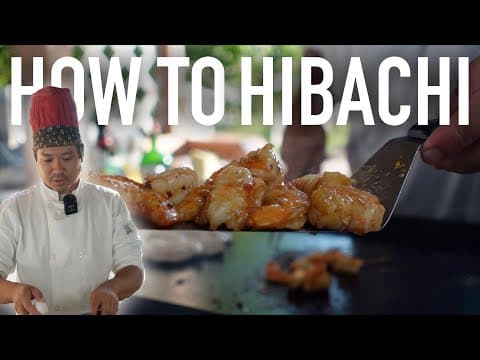
A backyard hibachi‑style stir‑fry featuring juicy chicken tenders, sweet shrimp, crisp vegetables, and buttery garlic fried rice cooked on a high‑heat grill at 400°F. Perfect for a quick weeknight dinner that tastes like restaurant hibachi.

1 hr 10 min
Serves 4
$14
2 views
JapaneseMedium
10 Minute vs. 24 HOUR INSTANT RAMEN

10 Minute vs. 24 HOUR INSTANT RAMEN

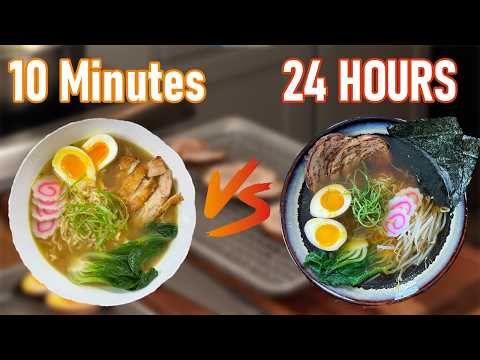
Transform ordinary instant ramen into three increasingly impressive bowls: a 10‑minute quick upgrade, a flavorful hour‑long version, and a luxurious day‑long ramen with pork belly, homemade dashi, and ajitama eggs. Each bowl uses the same instant noodle pack and soup base, but adds fresh proteins, vegetables, and rich broths for restaurant‑quality results.

12 hrs 15 min
Serves 3
$26
3 views
JapaneseHard
EASY Japanese Rolled Omelet (Tamagoyaki)

EASY Japanese Rolled Omelet (Tamagoyaki)

A classic Japanese rolled omelette made by layering thin sheets of seasoned egg, rolling them into a tight log, and slicing into bite‑size pieces. Perfect for breakfast, as an okazu with rice, or packed into a bento box for a protein boost.

17 min
Serves 2
$1
2 views
JapaneseEasy