
Amazon Associates PartnerTrusted
As an Amazon Associate, we earn from qualifying purchases made through links on this page. This helps support our site at no extra cost to you. Clicking on ingredient or equipment links will take you to amazon.com where you can purchase these items.
Masala Dosa with Aloo Masala, Coconut Chutney & Onion‑Tomato Chutney
A step‑by‑step guide to making authentic South Indian Masala Dosa at home – from fermenting a crisp batter in a mixer‑grinder to preparing a flavorful potato masala and two classic chutneys. Includes tips for perfect batter texture, skillet temperature, and serving suggestions.
Shop all ingredients on Amazon in one click • Printable PDF with shopping checklist
Cost Breakdown
Critical Success Points
- • Washing rice and dal until water runs clear
- • Soaking for 6‑7 hours
- • Grinding to a fine, flowy consistency
- • Achieving proper fermentation (lacy, airy batter)
- • Heating skillet to ~150°C before spreading batter
- • Spreading batter thinly and adding ghee for crispness
Safety Warnings
- • Hot oil can cause severe burns – handle with care.
- • The skillet will be very hot; use oven mitts when handling.
- • When using a mixer‑grinder, ensure the lid is securely locked to avoid spills.
Frequently Asked Questions
Everything you need to know about this recipe
What is the cultural significance and history of Masala Dosa in South Indian cuisine?
Masala Dosa originated in the coastal state of Karnataka and is a staple of South Indian breakfast. It represents the region’s love for fermented rice‑lentil batters, which provide nutrition and a light, airy texture, and it is traditionally served with coconut and tomato‑onion chutneys.
What are the traditional regional variations of Masala Dosa in South Indian cuisine?
In Karnataka, the classic version is the plain dosa with a spiced potato filling. In Tamil Nadu, you’ll find paper‑thin dosas and variations like Rava Dosa. In Kerala, the batter often includes coconut milk, and the masala may be spicier with curry leaves and mustard seeds.
How is Masala Dosa traditionally served in South Indian households?
It is served hot on a metal plate, folded or rolled, accompanied by coconut chutney, tomato‑onion chutney, and sometimes sambar. It is eaten with the fingers, often for breakfast or a light dinner.
What occasions or celebrations is Masala Dosa associated with in South Indian culture?
Masala Dosa is a common breakfast for daily meals, but it is also prepared for festivals like Ugadi and Sankranti, where families gather for a hearty spread of dosas, sambar, and chutneys.
How does Masala Dosa fit into the broader South Indian cuisine tradition?
It exemplifies the South Indian emphasis on fermented foods, rice‑based dishes, and the balance of textures—crisp outside, soft inside—paired with tangy, spicy accompaniments that highlight regional spices.
What are the authentic traditional ingredients for Masala Dosa versus acceptable substitutes?
Authentic ingredients include dosa rice (Moti rice), urad dal, fenugreek seeds, and poha. Substitutes can be short‑grain rice or idli rice for the rice component, and regular urad dal instead of goat urad dal, though texture may vary slightly.
What other South Indian dishes pair well with Masala Dosa?
Sambar, a lentil‑vegetable stew, is the classic accompaniment. Other pairings include tomato chutney, coriander chutney, and a side of fresh coconut slices or banana chips for added crunch.
What makes Masala Dosa special or unique in South Indian cuisine?
The combination of a fermented, airy batter that crisps on a hot skillet and a richly spiced potato masala creates a contrast of textures and flavors that is uniquely satisfying, embodying the art of fermentation and tempering.
How has Masala Dosa evolved over time in South Indian cuisine?
Originally a simple rice‑lentil crepe, modern variations include cheese‑filled dosas, paneer masala, and even chocolate dosas. Home cooks now often use electric mixers instead of traditional wet grinders, making the process faster while preserving the classic taste.
What are the most common mistakes to avoid when making Masala Dosa at home?
Common errors include over‑grinding the batter (which raises its temperature), under‑fermenting (resulting in dense dosas), and using a pan that’s too hot or too cold, which leads to sticking or uneven crispness.
Why does this Masala Dosa recipe use a mixer‑grinder instead of a traditional wet grinder?
The mixer‑grinder with a 1400‑watt motor can grind the hard ingredients quickly without heating the batter, preserving the delicate fermentation balance while saving time compared to a manual wet grinder.
Can I make Masala Dosa ahead of time and how should I store the batter?
Yes, prepare the batter the night before, let it ferment, then refrigerate in an airtight container for up to 48 hours. Before cooking, stir gently and bring to room temperature; add a splash of water if it thickens.
What does the YouTube channel Your Food Lab specialize in?
The YouTube channel Your Food Lab focuses on detailed, science‑backed Indian cooking tutorials, showcasing modern kitchen tools and step‑by‑step techniques for home cooks.
How does the YouTube channel Your Food Lab's approach to South Indian cooking differ from other Indian cooking channels?
Your Food Lab emphasizes the use of contemporary appliances like mixer‑grinders, provides precise temperature and timing guidance, and often includes giveaways, making the learning experience interactive and equipment‑friendly compared to traditional channels that rely on wet grinders and less quantified instructions.
You Might Also Like
Similar recipes converted from YouTube cooking videos
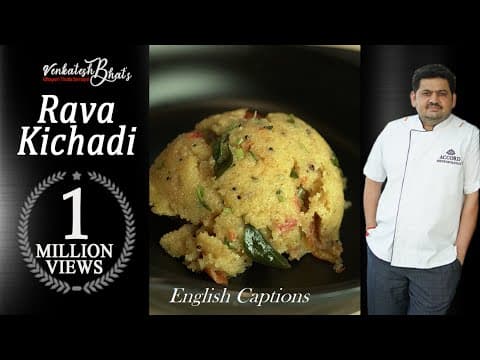
Hotel Style Rava Khichdi
In Venkatesh Bhat's heartfelt cooking, using Idhayam groundnut oil, a hotel‑grade rava khichdi. High oil, correct water amount and precise spice blend create a soft, cool, ball‑shaped khichdi for 6 people.
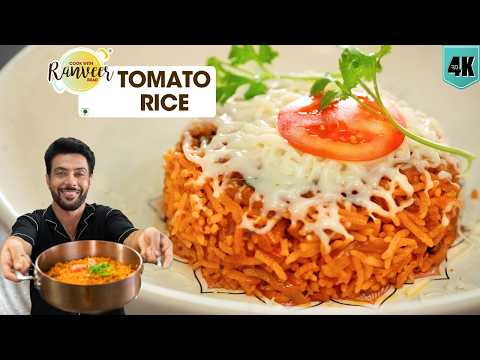
South Indian Tomato Rice (No Coconut)
A vibrant, tangy, and lightly spiced South Indian tomato rice made without coconut. This recipe features a fresh tomato and spice paste, a flavorful tempering with onions and whole spices, and perfectly cooked rice. Ideal for a quick lunch or dinner, and easy to customize for picky eaters or adventurous cooks.

South Indian Vegetable Pulao
A fragrant and colorful South Indian-style vegetable pulao cooked with basmati rice, whole spices, and a medley of fresh vegetables. Perfect for lunch boxes and pairs well with potato roast or ennai kathirikai.
South Indian Vegetable Pulao
A fragrant and colorful South Indian-style vegetable pulao cooked with basmati rice, whole spices, and a medley of fresh vegetables. Perfect for lunch boxes and pairs well with potato roast or ennai kathirikai.
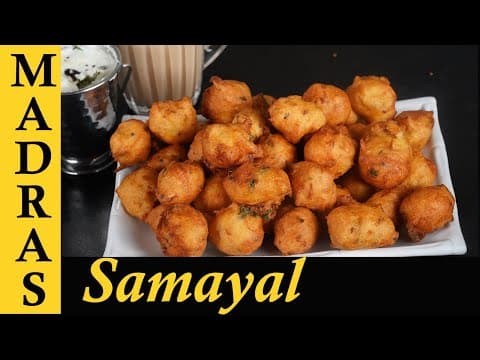
Carrot Bondha (Carrot Ponda) – South Indian Tea‑Time Snack
A light, fluffy, and slightly crunchy carrot‑infused bondha (fried dumpling) perfect for tea time. Made with soaked urad dal and rice, grated carrot, and aromatic South Indian spices, it pairs wonderfully with coconut or tomato chutney.
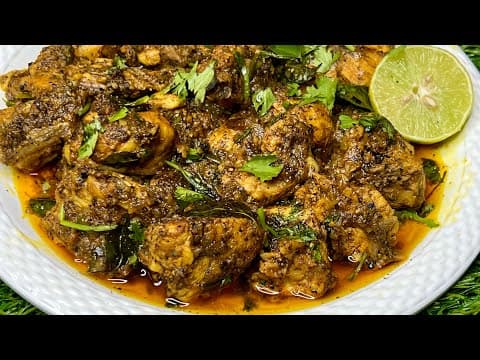
Chicken Pepper Ghee Roast (चिकन पेपर घी रोस्ट)
A quick and flavorful South Indian-style chicken dish, made with freshly roasted spices, ghee, and a punch of black pepper. This recipe is faster and tastier than restaurant versions, perfect for busy home cooks.