

Amazon Associates PartnerTrusted
As an Amazon Associate, we earn from qualifying purchases made through links on this page. This helps support our site at no extra cost to you. Clicking on ingredient or equipment links will take you to amazon.com where you can purchase these items.
Korean Fried Chicken (Dakgangjeong) - Sweet and Crunchy
This recipe is a quick and easy version of Korean fried chicken known as Dakgangjeong. It features double-fried chicken wings coated in a sweet, tangy, and slightly spicy sauce with a crunchy texture that stays crispy even the next day. Perfect for parties, potlucks, or casual gatherings, this dish pairs wonderfully with beer and guarantees compliments!
Shop all ingredients on Amazon in one click • Printable PDF with shopping checklist
Cost Breakdown
Critical Success Points
- • Prepare Chicken Wings
- • Season Chicken
- • Coat Chicken with Potato Starch (First Layer)
- • Add More Potato Starch (Second Layer)
- • Heat Oil for Frying
- • First Fry - Fry Chicken Pieces
- • Second Fry - Crisp the Chicken
- • Prepare Sauce
- • Add Sauce Ingredients
- • Combine Chicken and Sauce
Safety Warnings
- • Be cautious of hot oil splatter during frying.
- • Use a thermometer to monitor oil temperature to prevent overheating.
- • Remove chili seeds carefully to avoid irritation.
- • Handle knives carefully when cutting chicken.
Frequently Asked Questions
Everything you need to know about this recipe
What is the cultural significance and history of Korean Fried Chicken (Dakgangjeong) - Sweet and Crunchy in Korean cuisine?
Korean Fried Chicken (Dakgangjeong) originated in the 1970s when South Koreans began experimenting with deep‑fried chicken coated in sweet and spicy sauces. It quickly became a popular anju, or drinking snack, especially paired with beer, and symbolizes modern Korean street food culture. The dish reflects Korea’s love for bold flavors and crunchy textures, and it is now a staple at gatherings and night markets.
What are the traditional regional variations of Korean Fried Chicken (Dakgangjeong) in Korea?
While the basic sweet‑spicy glaze is common nationwide, regional twists exist: in Busan, a hint of gochujang and garlic is added; in Jeju, local citrus juice brightens the sauce; and in Seoul’s trendy districts, chefs may incorporate honey or corn syrup for extra gloss. Each variation still relies on the double‑fried, crunchy coating that defines Dakgangjeong.
How is Korean Fried Chicken (Dakgangjeong) - Sweet and Crunchy authentically served in Korean street food culture?
Authentic Korean Fried Chicken (Dakgangjeong) is served hot, tossed in a glossy glaze, and sprinkled with sesame seeds and chopped peanuts for texture. It is typically presented on a paper tray or in a small metal basket, accompanied by pickled radish (danmuji) and a cold glass of beer or soju. The dish is meant to be shared and eaten with chopsticks or small tongs.
What occasions or celebrations is Korean Fried Chicken (Dakgangjeong) traditionally associated with in Korean culture?
Dakgangjeong is a favorite at casual gatherings such as house parties, late‑night study sessions, and sports viewing events. It is also commonly served during Chuseok (Korean Thanksgiving) and Seollal (Lunar New Year) as a festive finger food, and many Koreans consider it a perfect accompaniment to "술" (alcohol) during celebrations.
How does Korean Fried Chicken (Dakgangjeong) - Sweet and Crunchy fit into the broader Korean cuisine tradition?
The dish exemplifies Korean cuisine’s balance of sweet, spicy, and savory flavors, as well as its emphasis on texture contrast. It showcases the Korean technique of double‑frying to achieve a light, crisp crust, a method also used in other Korean fried foods like twigim. Dakgangjeong’s sauce, often made with gochujang, garlic, and ginger, reflects the nation’s love for bold, layered seasonings.
What are the authentic traditional ingredients for Korean Fried Chicken (Dakgangjeong) versus acceptable substitutes?
Traditional ingredients include chicken wings, Korean potato starch (sweet potato starch), gochujang (Korean red pepper paste), honey or corn syrup, soy sauce, garlic, ginger, and sesame seeds. Acceptable substitutes are cornstarch for potato starch, maple syrup for honey, and a mix of chili flakes with tomato paste if gochujang is unavailable, though the flavor profile will shift slightly.
What other Korean dishes pair well with Korean Fried Chicken (Dakgangjeong) - Sweet and Crunchy?
Dakgangjeong pairs nicely with Korean side dishes such as kimchi, pickled radish (danmuji), and fresh lettuce wraps for bite‑size tacos. It also complements cold noodle dishes like mul naengmyeon and hearty soups such as doenjang jjigae, offering a contrast between the crispy chicken and soothing broth.
What are the most common mistakes to avoid when making Korean Fried Chicken (Dakgangjeong) - Sweet and Crunchy at home?
Common mistakes include overcrowding the pan, which drops oil temperature and yields soggy coating, and using too much flour or starch, which creates a gummy crust. Also, adding the glaze too early can make the chicken lose its crunch, and not letting the chicken rest after the first fry can cause uneven texture.
Why does this Korean Fried Chicken (Dakgangjeong) - Sweet and Crunchy recipe use double‑frying instead of a single fry?
Double‑frying removes excess moisture from the chicken’s surface after the first fry, creating a dry canvas that absorbs the glaze without becoming soggy. The second, hotter fry quickly seals the coating, giving the signature ultra‑crisp exterior that stays crunchy even after the sauce is tossed on.
What is known about the YouTube channel that posted the Korean Fried Chicken (Dakgangjeong) - Sweet and Crunchy recipe?
The YouTube channel that posted this Korean Fried Chicken (Dakgangjeong) - Sweet and Crunchy video focuses on quick, home‑cooked Asian recipes and often emphasizes easy shortcuts for busy cooks. Its style blends clear step‑by‑step visuals with cultural tidbits, aiming to make authentic Korean flavors accessible to a global audience.
You Might Also Like
Similar recipes converted from YouTube cooking videos

바삭하고 끝내주는 쌀핫도그 만드는법 :: 진짜 사먹는 그맛 :: 감자통모짜, 라면땅핫도그 :: Korean Rice Corn Dogs Recipe
Crispy, fluffy Korean-style corn dogs coated in a sweet dough and deep‑fried to golden perfection. Three fun variations are included: mozzarella‑filled, potato‑crusted, and ramen‑crusted hot dogs. Perfect for a snack, party appetizer, or street‑food inspired treat.

Bibimguksu - Spicy Korean Cold Noodles
A quick, vibrant Korean-inspired sauce made with gochujang, soy sauce, sesame oil, grated onion, plum extract, sugar, and toasted sesame seeds. Perfect as a dip, bibimbap topping, or glaze for grilled meats.

24hr KOREAN STREET FOOD like a local
A refreshing Korean street‑food staple: hand‑cut, sweet‑potato‑starch noodles served in a light anchovy‑dashi broth, topped with fried tofu, kimchi, seaweed, chives and a sweet‑sour gochujang sauce. Perfect for a cool summer meal or a taste of Seoul’s night‑market at home.

Korean Corn Cheese - Perfect For Sharing Or As A Side Dish
A hot, cheesy Korean BBQ side dish made with sweet corn, mayo, and mozzarella. Char‑grilled corn and vegetables get a buttery sauté, then are tossed with creamy mayo and melted cheese for a crunchy, savory snack perfect with beer and grilled meats.
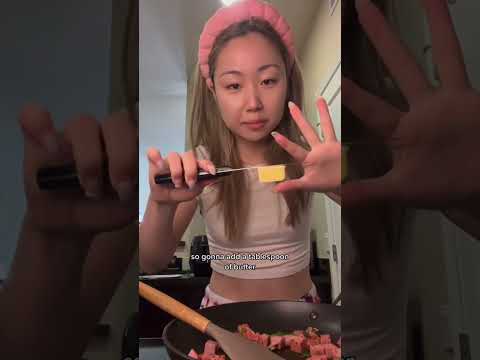
Making KIMCHI FRIED RICE w/ spam 🥬🌶️🍚
A quick and flavorful Korean-inspired stir‑fry that uses leftover kimchi leaves, diced Spam, and a fragrant green‑onion oil. Finished with butter, soy sauce, black pepper, fresh green onions, and toasted sesame seeds, this dish is perfect for a fast lunch or dinner.

【レシピ◎】また韓国流行り変わった😇でも美味しい!!!!
A trendy Korean-inspired bibimbap that uses the popular crunchy snack Ponteon, topped with a sunny‑side‑up egg, toasted sesame, and classic bibimbap vegetables. Inspired by the viral Korean snack craze discussed on the YouTube channel がよんがよん.