Classic Bolognese Ragu

Classic Bolognese Ragu is a medium Italian recipe that serves 6. 550 calories per serving. Recipe by Vincenzo's Plate on YouTube.

Prep: 20 min | Cook: 5 hrs 12 min | Total: 5 hrs 47 min

Cost: $21.75 total, $3.63 per serving

Ingredients

  • 1 medium Red onion (peeled and diced)
  • 3 sticks Celery sticks (diced)
  • 3 pieces Carrots (peeled and diced)
  • to taste pinch Salt (rock salt preferred)
  • to taste pinch Black pepper (freshly ground)
  • 150 grams Tomato paste (canned)
  • 400 grams Peeled tomatoes (canned whole peeled tomatoes, crushed by hand)
  • 1 liter Italian passata (smooth tomato sauce)
  • 3 tablespoons Extra virgin olive oil (for sautéing)
  • 1 glass Red wine (about 150 ml, use a dry Italian red)
  • 1 cup Full‑cream milk (added at the end for creaminess)
  • 500 grams Pork mince (20 % fat for flavor)
  • 300 grams Beef mince (15 % fat)
  • 200 grams Veal mince (adds delicate flavor)
  • 500 grams Fresh pappardelle pasta (handmade egg pasta; can substitute dried pappardelle or tagliatelle)
  • 50 grams Parmigiano‑Reggiano (freshly grated for serving)
  • as needed liters Water (for simmering and pasta cooking; keep hot when adding to sauce)

Instructions

  1. Prep vegetables

    Dice the red onion, carrots, and celery into uniform small pieces.

    Time: PT5M

  2. Heat oil

    Add 3 Tbsp extra‑virgin olive oil to the large pot and heat over medium until the oil shimmers.

    Time: PT3M

  3. Sauté onion

    Add the diced onion and cook, stirring frequently, until it turns a light golden colour.

    Time: PT3M

  4. Add carrot and celery

    Stir in the diced carrot and celery and cook for about 5 minutes until they begin to soften and release aroma.

    Time: PT5M

  5. Deglaze with wine (first half)

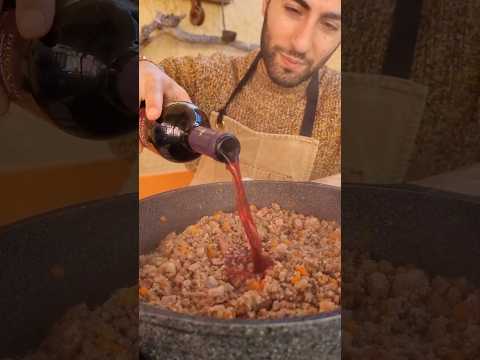
    Pour half a glass (≈75 ml) of red wine into the pot, increase heat slightly and let it reduce until the liquid has mostly evaporated.

    Time: PT3M

  6. Brown the meat

    Add the pork, beef, and veal mince. Break it up with the spoon and cook, stirring occasionally, until the meat loses its pink colour and turns uniformly gray.

    Time: PT8M

  7. Season lightly

    Season the browned meat with a pinch of salt and pepper; this is just an initial seasoning.

    Time: PT1M

  8. Deglaze with wine (second half)

    Add the remaining half glass of red wine and let it reduce again until the liquid has mostly evaporated.

    Time: PT3M

  9. Incorporate tomato paste

    Stir in 150 g tomato paste and cook for 2 minutes to caramelise the paste slightly.

    Time: PT2M

  10. Add tomatoes and passata

    Add the 400 g peeled tomatoes (crushed by hand) and the 1 L Italian passata. Add a splash of water if needed to just cover the meat.

    Time: PT2M

  11. Slow simmer

    Bring the mixture to a gentle simmer, then lower the heat to a very low setting. Let it cook uncovered for 4 hours 30 minutes, stirring every 30 minutes and adding hot water as needed to keep the sauce from drying out.

    Time: PT4H30M

    Temperature: low simmer

  12. Finish with milk

    Stir in 1 cup of full‑cream milk and let the sauce simmer gently for another 5 minutes.

    Time: PT5M

    Temperature: low

  13. Boil pasta water

    Fill a large pot with 5 L of water, bring to a rolling boil, and add a generous handful of rock salt.

    Time: PT10M

    Temperature: boiling

  14. Cook fresh pappardelle

    Add the fresh pappardelle and cook for 3–4 minutes until al dente.

    Time: PT5M

  15. Reserve pasta water and drain

    Reserve about 1 cup of the hot pasta cooking water, then drain the pasta in a colander.

    Time: PT2M

  16. Combine pasta and sauce

    Transfer the drained pasta to the skillet with a ladle of sauce, add a splash of the reserved pasta water, and toss over low heat for 2–3 minutes so the noodles absorb the ragù.

    Time: PT3M

  17. Plate and serve

    Serve the pasta on warmed plates, top with a generous shaving of Parmigiano‑Reggiano, and enjoy immediately.

    Time: PT2M

Nutrition Facts

Calories
550
Protein
30 g
Carbohydrates
60 g
Fat
20 g
Fiber
4 g

Dietary info: Contains meat, Contains pork, Contains beef, Contains veal, Not vegetarian, High protein, high-protein

Allergens: Milk, Dairy (Parmigiano‑Reggiano), Gluten (pasta)

Last updated: March 14, 2026

Amazon Associates

Amazon Associates PartnerTrusted

As an Amazon Associate, we earn from qualifying purchases made through links on this page. This helps support our site at no extra cost to you. Clicking on ingredient or equipment links will take you to amazon.com where you can purchase these items.

Classic Bolognese Ragu

Recipe by Vincenzo's Plate

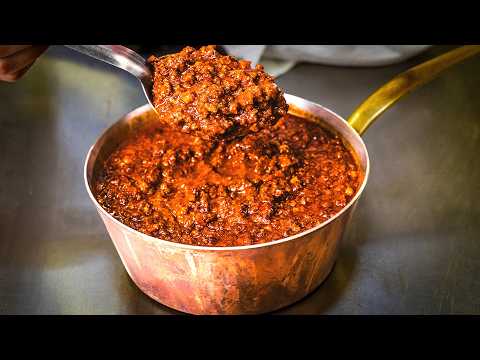
A traditional Bolognese ragù made with a blend of pork, beef, and veal, slow‑cooked for hours with red wine, tomato paste, and a splash of cream. Served over fresh pappardelle and finished with Parmigiano‑Reggiano, this hearty Italian sauce is the ultimate comfort food.

MediumItalianServes 6

Shop all ingredients on Amazon in one click • Printable PDF with shopping checklist

Source Video
22m
Prep
5h 10m
Cook
40m
Cleanup
6h 12m
Total

Cost Breakdown

$21.75
Total cost
$3.63
Per serving

Critical Success Points

  • Sauté onion until golden without burning
  • Brown the meat thoroughly to develop flavor
  • Long low simmer of 4‑5 hours for tenderness
  • Cook fresh pappardelle just until al dente
  • Combine pasta with sauce using reserved pasta water

Safety Warnings

  • Handle hot oil with care to avoid splatter burns.
  • Ensure meat reaches an internal temperature of at least 71 °C (160 °F).
  • Use caution when reducing wine; steam can be hot.

Frequently Asked Questions

Everything you need to know about this recipe

Q

What is the cultural significance and history of Classic Bolognese Ragu in Italian cuisine?

A

Classic Bolognese Ragu originates from Bologna in the Emilia‑Romagna region and has been a staple of Italian home cooking since the 18th century. It embodies the Italian values of slow cooking, rich flavor development, and communal meals, often served at family gatherings.

cultural
Q

What are the traditional regional variations of Classic Bolognese Ragu in Italy?

A

In Italy, variations include adding pancetta in Bologna, using only beef in Naples, or incorporating mushrooms in the Piedmont version. Some regions substitute wine with marsala or use different ratios of pork, beef, and veal to reflect local tastes.

cultural
Q

How is Classic Bolognese Ragu authentically served in the Emilia‑Romagna region of Italy?

A

In Emilia‑Romagna, Classic Bolognese Ragu is traditionally ladled over fresh tagliatelle or pappardelle, then topped with a generous shaving of Parmigiano‑Reggiano. It is often accompanied by a drizzle of extra‑virgin olive oil and a glass of local red wine.

cultural
Q

What occasions or celebrations is Classic Bolognese Ragu traditionally associated with in Italian culture?

A

Classic Bolognese Ragu is a favorite for Sunday family lunches, festive holidays such as Christmas Eve, and regional festivals in Bologna. Its hearty nature makes it suitable for large gatherings and celebratory feasts.

cultural
Q

How does Classic Bolognese Ragu fit into the broader Italian cuisine tradition?

A

Classic Bolognese Ragu exemplifies the Italian culinary principle of using few high‑quality ingredients to create depth of flavor. It showcases the Italian love for slow‑simmered sauces that bind pasta, meat, and dairy into a cohesive, comforting dish.

cultural
Q

What are the authentic traditional ingredients for Classic Bolognese Ragu versus acceptable substitutes?

A

Authentic ingredients include equal parts pork, beef, and veal, soffritto of red onion, celery, and carrots, dry red wine, tomato paste, and a splash of cream. Acceptable substitutes are ground turkey for a lighter version, chicken broth for wine, or half‑and‑half instead of cream, though they alter the classic flavor profile.

cultural
Q

What are the most common mistakes to avoid when making Classic Bolognese Ragu from the Vincenzo's Plate YouTube video?

A

Common mistakes include overheating the meat, which can cause it to dry out, and adding too much liquid early, preventing proper caramelization. Skipping the long simmer and failing to season gradually also leads to a flat‑tasting sauce.

technical
Q

Why does this Classic Bolognese Ragu recipe use a splash of cream instead of butter as a finishing technique?

A

The splash of cream adds a silky mouthfeel and balances the acidity of the tomato paste without overwhelming the meat's richness. Butter would introduce a distinct dairy flavor that is not traditional to the classic Bolognese profile.

technical
Q

How do I know when Classic Bolognese Ragu is done cooking and has reached the proper texture and appearance?

A

The sauce should be thick enough to coat the back of a spoon, with a deep mahogany color and a fragrant, slightly sweet aroma. The meat will be tender, and the vegetables will have fully dissolved into the sauce, indicating it is ready.

technical
Q

What does the YouTube channel Vincenzo's Plate specialize in, and how does its cooking philosophy influence the Classic Bolognese Ragu recipe?

A

Vincenzo's Plate specializes in authentic Italian home cooking, focusing on traditional techniques and high‑quality regional ingredients. Its philosophy of respecting heritage while offering clear, step‑by‑step guidance shapes the Classic Bolognese Ragu into a faithful yet approachable rendition of the classic dish.

channel

You Might Also Like

Similar recipes converted from YouTube cooking videos

Classic Tiramisu (Claire Saffitz's Version)
2.2k

Classic Tiramisu (Claire Saffitz's Version)

A classic Italian tiramisu with a light, airy zabaglione (sabayon) filling, espresso-soaked ladyfingers, and a finishing touch of grated chocolate. This recipe is adapted from Claire Saffitz's home kitchen and focuses on balanced flavors—rich, creamy, and just a hint of Marsala wine for complexity, without being overly boozy. Perfect for making ahead and serving at gatherings.

14 hrs 10 minServes 9$85
Italian
Classic Italian Ragu
8

Classic Italian Ragu

A traditional slow‑cooked Italian ragu made with a fragrant soffritto of onion, celery and carrots, ground beef and pork, white wine, fresh sage and rosemary, and crushed tomatoes. Simmered for three hours for deep, rich flavor – perfect over pasta or polenta.

4 hrsServes 6$12
Italian
Beef Bourguignon (Ultimate French Classic)
2k

Beef Bourguignon (Ultimate French Classic)

A richly flavored, slow‑braised French beef stew that uses three cuts of beef (short ribs, chuck, and shank) for depth, caramelized vegetables, reduced red wine, and a finishing garnish of mushrooms, bacon, and pearl onions. Served over a classic potato puree, this dish balances rustic comfort with restaurant‑level technique.

10 hrs 10 minServes 6$109
French
Classic Italian Lasagne with Spinach Pasta and Meat Ragu
11

Classic Italian Lasagne with Spinach Pasta and Meat Ragu

A traditional Italian lasagne featuring a slow‑cooked pork and beef ragu, homemade spinach‑infused pasta sheets, creamy béchamel, mozzarella and Parmesan. Made from scratch for a hearty family dinner that keeps well for leftovers or freezing.

5 hrs 49 minServes 8$28
Italian
Ultimate Chef-Style Ragu with Gnocchi
2.6k

Ultimate Chef-Style Ragu with Gnocchi

A deep, rich, and silky Italian ragu built with French‑style techniques—slow‑rendered pancetta, caramelized vegetables, a blend of beef shin and chuck, pork belly, milk, red wine, and a long low‑oven simmer. Finished with butter, Parmesan rind, and a sweet‑tart gastrique, then tossed with pillowy homemade gnocchi.

5 hrs 55 minServes 6$126
Italian
Traditional Ragù alla Bolognese Recipe
12

Traditional Ragù alla Bolognese Recipe

A traditional Italian ragù made with pancetta, ground beef and pork, simmered for hours with tomatoes, wine, and aromatics. Perfect for tagliatelle, lasagna, or any pasta dish that needs a rich, meaty sauce.

4 hrs 40 minServes 6$12
Italian