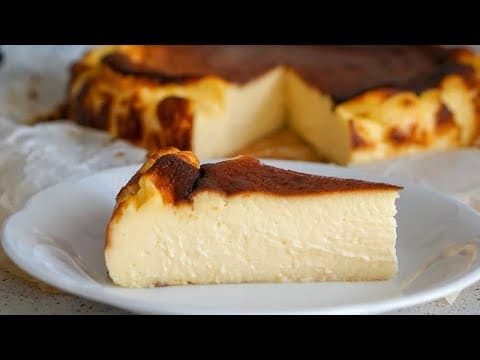
Basque Burnt Cheesecake

Basque Burnt Cheesecake is a intermediate Spanish (Basque) recipe that serves 8. 500 calories per serving. Recipe by ChefSteps on YouTube.

Prep: 2 hrs 30 min | Cook: 1 hr 10 min | Total: 4 hrs 10 min

Cost: $21.54 total, $2.69 per serving

Ingredients

  • 2 lb cream cheese (full‑fat, room temperature; cut into cubes for easier melting)
  • 1 cup heavy cream (cold)
  • 3/4 cup granulated sugar
  • 4 large eggs (room temperature)
  • 1 tsp vanilla extract
  • 2 tbsp all‑purpose flour (sifts into dry mix)
  • 1/4 tsp salt (fine sea salt)

Instructions

  1. Soften cream cheese

    Cut the cream cheese into 1‑inch cubes. Microwave on 50 % power in 30‑second bursts, stirring between bursts, until the cheese is smooth and easily spreads with a spatula.

    Time: PT5M

  2. Combine dry ingredients

    In a small bowl whisk together sugar, flour, and salt. Set aside.

    Time: PT2M

  3. Mix wet ingredients

    Add the eggs, vanilla extract, and heavy cream to the tall mixing vessel. Using the immersion blender on low speed, blend until just combined.

    Time: PT3M

  4. Incorporate dry mix

    Add the sugar‑flour‑salt mixture to the wet ingredients. Blend on low, keeping the blender head fully submerged, then increase to medium speed until the mixture is smooth and glossy.

    Time: PT5M

  5. Add cream cheese and blend

    With the immersion blender still submerged, slowly add the softened cream cheese. Blend on low until the cheese is broken up, then raise speed to medium‑high until the batter looks like smooth paint with no visible lumps.

    Time: PT5M

  6. Rest and chill batter

    Transfer the batter to a shallow bowl, cover, and chill in the refrigerator for 2 hours (target 40 °F). For a quicker chill, place the bowl in an ice‑water bath for 30 minutes before refrigerating.

    Time: PT2H

    Temperature: 40°F

  7. Prepare pan lining

    Spray the inside of a 9‑inch springform pan with non‑stick spray. Crumple a large sheet of foil into a dome, press it into the bottom and up the sides, leaving about 1 inch of foil exposed at the lip. Smooth with a dry towel. Lay a sheet of parchment over the foil, spray lightly, and trim excess parchment so it sits just above the batter height.

    Time: PT10M

  8. Fill pan and release bubbles

    Pour the chilled batter into the prepared pan, smoothing the top with a spatula. Optionally strain through a fine mesh to catch any stray bits. Tap the pan gently on the counter and use a skewer or fork to pop any large bubbles.

    Time: PT5M

  9. Add heat shield

    Place a rimmed baking sheet or second pan on the rack beneath the springform pan to act as a heat shield, protecting the bottom from over‑cooking.

    Time: PT2M

  10. High‑temp bake (burnt top)

    Preheat a convection oven to 420 °F (or 440 °F for conventional). Position the pan on the lower rack (about 3 inches from the heating element). Bake for 30 minutes, rotating the pan 180° every 10 minutes. The top should turn a deep caramel brown without black spots.

    Time: PT30M

    Temperature: 420°F

  11. Low‑temp bake (creamy center)

    Reduce oven temperature to 300 °F. Continue baking for 40 minutes, rotating the pan 90° every 10 minutes. Insert an instant‑read thermometer into the center; aim for 115‑125 °F.

    Time: PT40M

    Temperature: 300°F

  12. Room‑temperature cooling

    Remove the cheesecake from the oven and let it sit on the counter until the internal temperature drops to about 120 °F (approximately 1 hour).

    Time: PT1H

  13. Refrigerate to set

    Cover the springform pan loosely with foil and refrigerate for at least 8 hours (overnight preferred) until fully set.

    Time: PT8H

    Temperature: 40°F

  14. Unmold and slice

    Run a thin knife under hot water, dry, and slice the cheesecake into 8 generous wedges. Use a large offset spatula to lift each slice.

    Time: PT10M

Nutrition Facts

Calories
500
Protein
8 g
Carbohydrates
30 g
Fat
38 g
Fiber
0 g

Dietary info: vegetarian, contains gluten, contains dairy

Allergens: dairy, eggs, gluten

Last updated: March 14, 2026

Amazon Associates

Amazon Associates PartnerTrusted

As an Amazon Associate, we earn from qualifying purchases made through links on this page. This helps support our site at no extra cost to you. Clicking on ingredient or equipment links will take you to amazon.com where you can purchase these items.

Basque Burnt Cheesecake

Recipe by ChefSteps

A tangy, sweet, ultra‑creamy Basque cheesecake with a caramelized, burnt‑top and a barely set, molten center. The recipe uses a two‑temperature bake to achieve the signature dark crust and silky interior.

IntermediateSpanish (Basque)Serves 8

Shop all ingredients on Amazon in one click • Printable PDF with shopping checklist

Source Video
11h 45m
Prep
1h 12m
Cook
1h 33m
Cleanup
14h 30m
Total

Cost Breakdown

$21.54
Total cost
$2.69
Per serving

Critical Success Points

  • Tempering the cream cheese without overheating
  • Blending the batter while keeping the immersion blender fully submerged to minimize air incorporation
  • Chilling the batter for at least 2 hours before baking
  • High‑temperature bake to achieve the burnt top
  • Dropping to low temperature and monitoring internal temperature
  • Cooling at room temperature before refrigeration

Safety Warnings

  • Use oven mitts when handling hot pans and foil.
  • Hot steam will escape when removing the parchment; keep face away.
  • Microwave cream cheese in short bursts to avoid overheating and splattering.

Frequently Asked Questions

Everything you need to know about this recipe

Q

What is the cultural significance and history of Basque Burnt Cheesecake in Spanish (Basque) cuisine?

A

Basque Burnt Cheesecake, known locally as "tarta de queso quemada," originated in San Sebastián in the 1990s and quickly became a symbol of modern Basque innovation. It reflects the region's love for bold flavors and simple, high‑quality ingredients, embodying a departure from traditional flan‑style desserts. Today it is celebrated as a culinary icon that showcases the Basque commitment to craftsmanship.

cultural
Q

What are the traditional regional variations of Basque Burnt Cheesecake in the Basque region of Spain?

A

While the classic Basque Burnt Cheesecake uses cream cheese, heavy cream, and a caramelized top, some coastal towns add a splash of local Txakoli wine for subtle acidity. In inland villages, a hint of cinnamon or orange zest is sometimes incorporated, reflecting local spice preferences. These variations maintain the signature burnt crust while offering regional flavor twists.

cultural
Q

How is Basque Burnt Cheesecake authentically served in the Basque Country of Spain?

A

In the Basque Country, Basque Burnt Cheesecake is traditionally served at room temperature on a simple ceramic plate, allowing the creamy interior to stay soft. It is often accompanied by a dollop of lightly sweetened whipped cream or a drizzle of local honey. The focus is on the cake’s caramelized top and molten center rather than elaborate garnishes.

cultural
Q

On what occasions or celebrations is Basque Burnt Cheesecake traditionally associated in Spanish (Basque) culture?

A

Basque Burnt Cheesecake is a popular dessert for family gatherings, festivals like San Sebastián Day, and special occasions such as weddings and birthdays. Its dramatic burnt top makes it a conversation piece at celebratory meals. It is also frequently offered in Basque pintxos bars as a sweet finale to a tasting menu.

cultural
Q

How does Basque Burnt Cheesecake fit into the broader Spanish (Basque) cuisine tradition?

A

The cake exemplifies the Basque culinary principle of letting high‑quality ingredients shine with minimal intervention. It complements the region’s savory pintxos and seafood dishes by providing a rich, yet simple, sweet contrast. Its technique of high‑heat caramelization echoes the charred flavors prized in Basque grilled meats and vegetables.

cultural
Q

What are the authentic traditional ingredients for Basque Burnt Cheesecake versus acceptable substitutes?

A

Authentic Basque Burnt Cheesecake relies on full‑fat cream cheese, heavy cream, granulated sugar, large eggs, and pure vanilla extract. Acceptable substitutes include using a mixture of mascarpone and cream cheese for a slightly richer texture, or swapping half the heavy cream for whole milk if a lighter version is desired. However, the burnt crust and creamy center depend on the high fat content of the original ingredients.

cultural
Q

What other Spanish (Basque) dishes pair well with Basque Burnt Cheesecake?

A

A crisp glass of Txakoli or a sweet Pedro Ximénez sherry pairs beautifully with the caramelized top of Basque Burnt Cheesecake. For a non‑alcoholic option, a spoonful of local quince jam (membrillo) offers a complementary tartness. Serving the cake after a plate of grilled sardines or chistorra provides a balanced progression from savory to sweet.

cultural
Q

What makes Basque Burnt Cheesecake special or unique in Spanish (Basque) cuisine?

A

Its signature burnt, almost black crust achieved by a high‑heat bake creates a striking visual contrast with the silky, under‑cooked interior. This technique is unique among Spanish desserts, which traditionally favor smooth, fully set custards. The result is a dessert that is both caramelized and molten, embodying the Basque love for bold textures.

cultural
Q

How has Basque Burnt Cheesecake evolved over time in the Basque region of Spain?

A

Initially a bakery specialty, Basque Burnt Cheesecake gained global fame after being featured in culinary magazines and on television in the early 2000s. Chefs began experimenting with flavor infusions such as espresso, citrus zest, and even cheese blends, while still preserving the burnt top. The rise of social media has turned it into a viral dessert, prompting home cooks worldwide to adopt the recipe.

cultural
Q

What are common misconceptions about Basque Burnt Cheesecake?

A

A frequent misconception is that the cake must be fully baked through; in reality, the interior remains slightly under‑set to achieve its molten texture. Some also believe the burnt flavor comes from added caramel, but it is produced naturally by the high‑heat baking method. Lastly, many think the dessert is overly sweet, yet the slight tang from cream cheese balances the flavor.

cultural
Q

What are the most common mistakes to avoid when making Basque Burnt Cheesecake from the ChefSteps YouTube video?

A

Avoid over‑mixing the batter, which can incorporate too much air and prevent the characteristic dense texture. Do not open the oven door during the high‑heat phase, as this can lower the temperature and stop the crust from caramelizing. Finally, be sure to use a water‑bath pan to protect the sides from cracking.

technical
Q

Why does the ChefSteps Basque Burnt Cheesecake recipe use a two‑temperature bake instead of a single temperature?

A

The two‑temperature bake—starting at a very high 425°F (220°C) then dropping to 300°F (150°C)—creates the dramatic burnt crust while allowing the interior to stay creamy and under‑set. The initial blast of heat caramelizes the sugars on the surface, and the lower temperature finishes cooking the custard gently. This method is essential for achieving the signature texture that defines Basque Burnt Cheesecake.

technical
Q

How do I know when the Basque Burnt Cheesecake is done cooking and what texture and appearance should I look for?

A

The cheesecake is done when the top is deeply browned, almost black, and the edges are set while the center still jiggles slightly when the pan is gently shaken. The interior should appear custard‑like and barely set, offering a molten, creamy mouthfeel. A quick tap on the center should produce a soft wobble, indicating perfect doneness.

technical
Q

What does the YouTube channel ChefSteps specialize in, and how does its cooking philosophy influence the Basque Burnt Cheesecake recipe?

A

ChefSteps specializes in modern, science‑based cooking techniques and detailed visual explanations that empower home cooks. Their philosophy emphasizes precision, experimentation, and the use of equipment like sous‑vide and high‑heat ovens, which is evident in the two‑temperature bake for Basque Burnt Cheesecake. This approach ensures consistent results and highlights the dish’s unique caramelized crust.

channel

You Might Also Like

Similar recipes converted from YouTube cooking videos

Cheesecake Basque (San Sebastián)
10

Cheesecake Basque (San Sebastián)

A crustless Basque cheesecake, creamy and slightly caramelized on top, flavored with lemon and topped with a dark chocolate ganache, served with a raspberry coulis and crushed pistachios.

1 hr 32 minServes 8$15
Basque
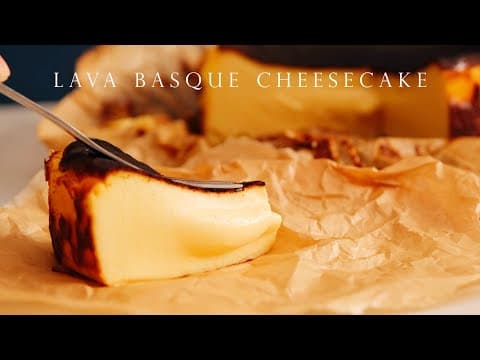
日本名店配方公開 流心巴斯克芝士蛋糕┃Lava Basque Cheesecake, Famous Japanese shop's recipe
36

日本名店配方公開 流心巴斯克芝士蛋糕┃Lava Basque Cheesecake, Famous Japanese shop's recipe

A stunningly creamy, slightly burnt Basque cheesecake with a molten, lava‑like center. The recipe uses simple ingredients, a high‑heat bake, and a parchment‑paper lining to achieve the signature dark amber crust and soft, flowing heart.

52 minServes 8$8
Spanish (Basque)
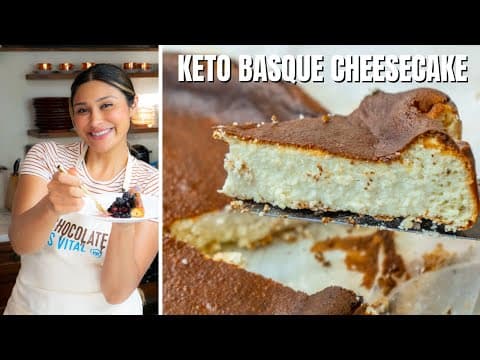
Keto Basque Cheesecake! How To Make Keto Basque Burnt Cheesecake Recipe
3

Keto Basque Cheesecake! How To Make Keto Basque Burnt Cheesecake Recipe

A low‑carb, crust‑less Basque cheesecake with a caramelized top and a bright blueberry compote. Made with cream cheese, powdered erythritol, coconut flour and heavy cream, this keto‑friendly dessert is airy, creamy, and perfect for any celebration.

1 hr 42 minServes 8$11
Spanish (Basque)
Basque Burnt Cheesecake Recipe
1

Basque Burnt Cheesecake Recipe

A simple, creamy baked cheesecake with a vanilla‑lemon flavor and a silky center that sets firm around the edges. No crust is needed—just a 15 cm springform pan lined with parchment paper. Perfect for a quick dessert that feels elegant.

1 hr 19 minServes 8$10
American
Basque Burnt Cheesecake [Super Creamy & Easy]
5

Basque Burnt Cheesecake [Super Creamy & Easy]

A high‑temperature, ultra‑creamy cheesecake that’s intentionally a little burnt on top for a caramelized flavor. Made with soft, high‑fat cream cheese, whipping cream, and a touch of flour to keep the batter from getting too watery. Perfect for a chilly weekend breakfast or an indulgent dessert.

1 hr 20 minServes 4$6
American
Dubai chocolate pistachio Basque cheesecake, recipe in description
1

Dubai chocolate pistachio Basque cheesecake, recipe in description

A rich, creamy Basque cheesecake infused with pistachio cream and butter, finished with a glossy Dubai‑style chocolate coating, crunchy filo crumbs, crushed pistachios and edible flower petals. Inspired by the viral Dubai chocolate bar, this dessert balances nutty pistachio flavor with deep chocolate and a slightly caramelized top.

1 hr 37 minServes 8$53
Spanish (Basque) Fusion